
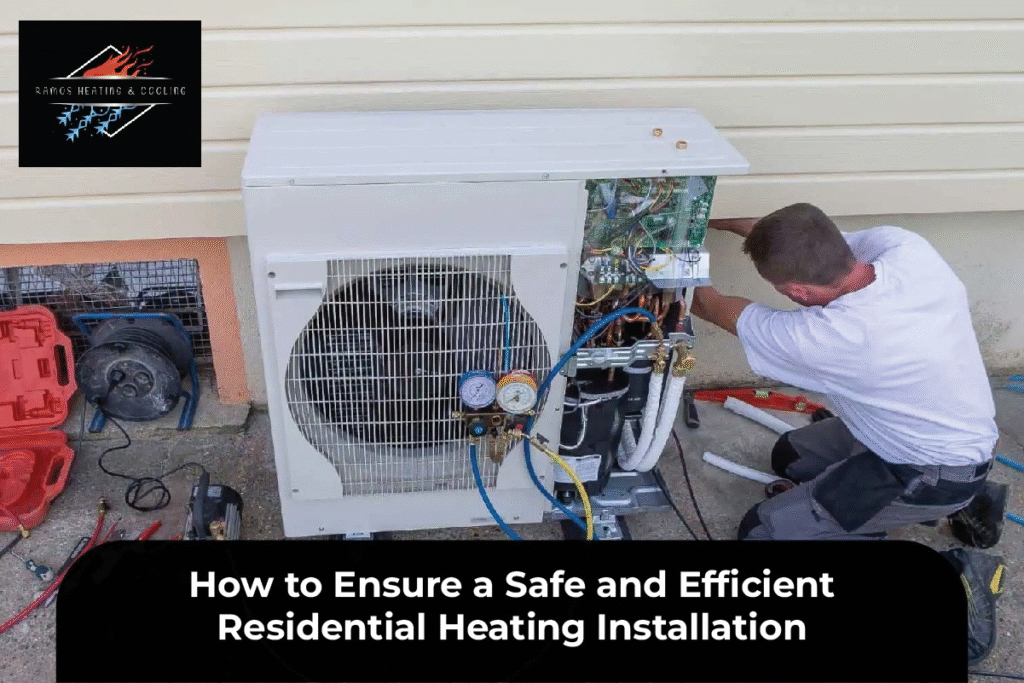
Keeping your home warm and cozy during the chilly months isn’t just about comfort; it’s about safety and efficiency, too. A properly installed heating system can save you money on energy bills, prevent costly repairs, and ensure your family stays comfortable throughout the winter. But with so many heating options available, from gas and electric furnaces to heat pumps and boilers, navigating residential heating installation can feel overwhelming. The good news is that with careful planning, expert guidance, and attention to detail, you can ensure your home heating installation is both safe and highly efficient. In this guide, we’ll walk you through everything you need to know for a smooth and successful heating system installation.
Understanding Your Heating Options
When it comes to heating system installation, choosing the right type of system for your home is the first crucial step. Residential furnaces, for instance, are popular for their consistent warmth and efficiency. Gas heating installation tends to be cost-effective and provides rapid heating, while electric heating installation is cleaner and easier to maintain. Heat pump installation offers a versatile solution, delivering both heating and cooling, which can be ideal for moderate climates.
Residential boiler installation is another option, particularly for older homes or those that prefer radiant heating. Each system has its own benefits, installation requirements, and maintenance considerations. Understanding these differences will help you make an informed decision and set the foundation for a successful home heating installation. For more guidance on eco-friendly options, check out this article.
Preparing for Installation
Before your heating installation begins, preparation is key. Start by evaluating your home’s heating needs, including square footage, insulation, and existing ductwork. A thorough inspection will help determine whether a central heating installation or a more localized system is ideal.
It’s also important to consider the heating installation cost. While it may be tempting to choose the lowest bid, prioritize quality, safety, and energy efficiency. Ensuring your residential heating installation is done right the first time saves money in the long run and prevents potential hazards. Planning with a reputable company like Ramos Heating & Cooling can streamline the process.
Choosing a Reliable Professional
Residential heating installation isn’t a DIY project—it requires specialized knowledge and experience. Hiring a licensed and insured professional ensures your heating system complies with safety standards and operates efficiently. Look for technicians with expertise in both gas and electric heating installation, as well as experience with heat pumps, boilers, and furnaces.
Additionally, professional installers can provide insights into the best system for your home, recommend energy-efficient models, and handle complex wiring or ductwork. Choosing experts from Ramos Heating & Cooling guarantees peace of mind, knowing your heating system is in safe hands.
Proper System Placement
Where your heating system is installed impacts both performance and safety. For central heating installation, ensure that furnaces or boilers are positioned in a well-ventilated area away from combustible materials. Heat pumps should have unobstructed airflow to maximize efficiency.
Improper placement can reduce your system’s lifespan and lead to higher energy costs. Moreover, positioning your heating system correctly allows for easier maintenance and reduces the risk of carbon monoxide buildup in gas systems. Always follow manufacturer guidelines and consult with your installer for optimal placement.
Efficient Installation Practices
During heating system installation, attention to detail ensures your system operates at peak efficiency. This includes properly sealing ductwork, insulating pipes, and ensuring the thermostat is installed in an ideal location.
For gas heating installation, proper venting and leak testing are essential for safety. Electric systems require precise wiring and load calculations to prevent overloading circuits. Following these best practices will result in a more energy-efficient system, lower monthly bills, and a safer home environment.
Testing and Final Checks
Once your residential furnace installation or boiler installation is complete, rigorous testing is critical. A professional installer should check airflow, thermostat operation, and system pressures to ensure everything is functioning correctly.
They should also provide guidance on maintenance schedules and demonstrate how to operate your system safely. Regular maintenance after installation, such as annual inspections and filter replacements, extends your system’s lifespan and keeps it running efficiently.
Reducing Heating Installation Costs Without Compromising Quality
While it’s essential to invest in a quality heating system, there are ways to manage residential heating installation costs effectively. Comparing multiple quotes, exploring energy-efficient models, and bundling services (like central heating installation with duct cleaning) can reduce expenses.
Keep in mind that cutting corners can result in higher long-term costs. Opting for a reputable service provider ensures you get both value and peace of mind. Check out Ramos Heating & Cooling for competitive pricing and top-notch service.
Final Thoughts
A safe and efficient residential heating installation is about more than just staying warm—it’s about protecting your home, your family, and your budget. By understanding your options, preparing thoroughly, hiring experienced professionals, and following best practices, you can enjoy reliable comfort all winter long. Remember, investing in quality installation pays off with years of safe, energy-efficient heating.
FAQs
Q1: How long does a residential heating installation take?
Most home heating installations take between one to three days, depending on system type and complexity. Central heating installations or boiler replacements may take longer.
Q2: Can I install a heating system myself?
DIY installation is not recommended. Residential furnace, boiler, or heat pump installation requires professional knowledge to ensure safety and compliance with local codes.
Q3: How often should I maintain my heating system?
Annual maintenance is recommended for all residential heating systems. Regular check-ups improve efficiency, extend lifespan, and prevent costly repairs.
Q4: What is the average heating installation cost?
Costs vary depending on the system type and home size. Gas furnaces typically range from $3,000–$7,000, while heat pumps and boilers can be higher. Always request a detailed estimate.
Q5: Are there eco-friendly options for home heating installation?
Yes! Heat pumps, high-efficiency gas furnaces, and modern electric systems offer eco-friendly alternatives. Learn more.