
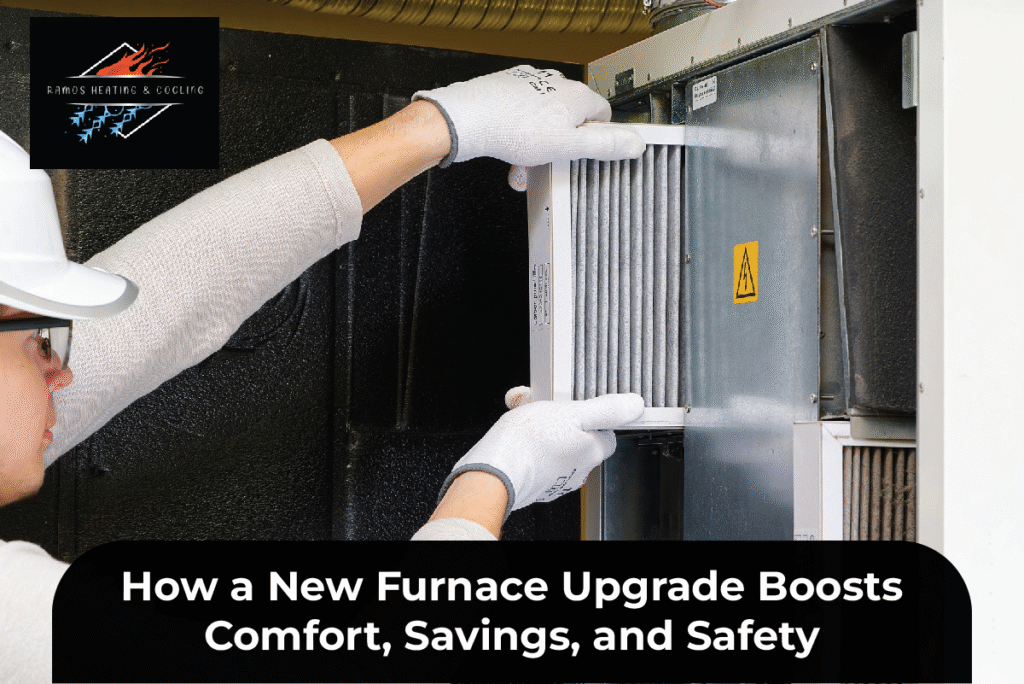
When winter hits hard, and your old furnace starts wheezing like it’s run a marathon, you feel it: cold rooms, rising bills, and a nagging worry about safety. A new furnace upgrade doesn’t just mean better heating… it means a significant boost in comfort, energy savings, long-term reliability, and overall home safety. Many homeowners don’t realize how much of a difference a modern heating unit can make until they finally switch. And honestly, if your furnace is older than your favorite hoodie, it’s probably time.
Upgrading your furnace is more than replacing a piece of equipment. It’s a full home improvement investment that affects your monthly expenses, indoor air quality, and even your peace of mind. That’s precisely why more homeowners are looking up phrases like “New furnace installation near me,” “Cost of installing a new furnace,” and “Best new furnace for home,” because they want a reliable, smarter, and safer heating solution.
In this guide, you’ll learn how a new furnace upgrade transforms your home and why hiring professional furnace installers makes the process smooth from start to finish. We’ll also touch on realistic timelines, ductwork requirements, and helpful tips to prepare for your furnace replacement.
Enjoy Next-Level Indoor Comfort With a Modern Furnace Upgrade
When your furnace is outdated, it struggles to maintain consistent temperatures. Some rooms feel too warm, others too cold, and sometimes the system never shuts off. A modern furnace changes everything.
A new, energy-efficient unit delivers even heat throughout your home. This means better comfort, quieter performance, and fewer temperature swings. Thanks to improved blower technology and smart thermostats, you’ll enjoy a smoother, gentler, and more controlled heating experience all winter long.
Moreover, today’s furnaces offer multi-stage heating and variable-speed motors. These features allow your system to adjust heating output based on your home’s exact needs. As a result, you get warm air distributed evenly without the uncomfortable blasts or noise of older models.
Save Money Every Month With an Energy-Efficient Setup
Let’s be honest, no homeowner likes seeing a high utility bill. The key benefit of upgrading your furnace is that it immediately reduces your energy consumption. Modern systems are designed to use less fuel while producing more heat, especially high-efficiency models with AFUE ratings of 95% and above.
Because of these upgrades, the energy-efficient new furnace setup significantly cuts operating costs. This means you’ll spend less on heating while extending the lifespan of the system. Plus, new furnaces usually require fewer repairs, which adds another layer of long-term savings.
When researching costs, many homeowners search for the Cost of installing a new furnace, and it’s a smart move. Installation pricing depends on size, brand, ductwork needs, and the complexity of your home’s layout. Working with trusted pros like
Ensures transparent pricing and expert guidance.
Boost Household Safety With a Cleaner, Safer Heating System
Older furnaces are more prone to cracks, carbon monoxide leaks, overheating, and electrical issues. These hazards can put your family at risk without you even realizing it. One of the best parts about a furnace upgrade is the peace of mind it brings.
New systems are built with advanced safety sensors, automatic shutdown features, and improved ventilation. This reduces the chances of fire hazards, gas leaks, or air contamination. It also lowers the risk of carbon monoxide exposure, which is especially important during freezing winters when your furnace runs constantly.
Additionally, you get cleaner indoor air. Modern systems filter dust, allergens, and pollutants more effectively, making your home safer and more comfortable, especially for kids, seniors, and allergy-prone family members.
Understand the New Furnace Installation Process Before You Upgrade
If you want to avoid surprises, knowing what to expect during installation is essential. A professional team follows a well-structured new furnace installation process to ensure everything is efficient and compliant with safety codes.
The process usually includes:
- Inspecting your existing furnace and ductwork
- Measuring your home’s heating needs
- Removing the old unit safely
- Installing the new furnace and components
- Checking new furnace ductwork requirements
- Running tests for airflow, gas lines, and efficiency
- Reviewing the New furnace installation checklist to confirm proper setup
- Providing a complete walkthrough for the homeowner
Most professionals also provide a clear Timeline for new furnace install, which typically takes 4–8 hours, depending on your home’s setup.
If you want a detailed step-by-step guide, check out this helpful resource.
Prepare Your Home the Right Way Before Furnace Replacement
A smooth installation starts with proper planning. Many homeowners forget that small steps make a big difference. Preparing for furnace replacement ensures your space is ready for installers and helps speed up the entire process.
Here’s what you can do:
- Clear the area around your furnace
- Make space for installers to move equipment
- Review your home’s ductwork needs
- Schedule installation at least a day in advance
- Discuss thermostat upgrades and add-ons
- Ask for energy-saving tips from your installer
Following these steps helps avoid delays and ensures your new furnace performs precisely as it should.
If you’re in Milwaukee, it’s a great place to start.
Choose the Best Furnace Model for Your Home and Budget
Not all furnaces are created equal. When selecting the Best new furnace for the home, consider these factors:
- Size and heating capacity
- Fuel type (gas, electric, oil)
- Energy-efficiency ratings
- Smart thermostat compatibility
- Brand reliability
- Warranty coverage
Choosing the right furnace ensures maximum comfort and minimum waste. A professional technician can analyze your home’s square footage, insulation, and ductwork to help you pick the perfect model.
Remember, your furnace should last 15–20 years, so picking the right one now saves money and stress later.
Why Professional Installers Make All the Difference
While DIY culture is popular, furnace installation should never be a do-it-yourself project. Professional furnace installers are trained to handle gas lines, ductwork requirements, electrical wiring, and safety protocols.
Hiring experts ensures:
- Proper airflow
- Safe installation
- Accurate sizing
- Higher efficiency
- Warranty protection
- Long-term reliability
A poorly installed furnace can waste energy, break down early, or compromise safety. Professional installation guarantees the system performs exactly as it should, and for years to come.
Final Thoughts
Upgrading to a new furnace is one of the best decisions you can make for your home. It enhances comfort, lowers monthly bills, boosts safety, and gives you dependable heating during freezing winters. When paired with professional installation and proper preparation, your new furnace becomes a long-term investment in your home’s warmth and well-being.
Whether you’re researching the Cost of installing a new furnace, comparing models, or searching for new furnace installation near me, make sure you work with a trusted specialist who understands your home’s needs. A modern furnace doesn’t just heat your home; it transforms your entire living environment.
FAQs
1. How long does a new furnace installation take?
Most installations take 4–8 hours, depending on ductwork, wiring, and home layout.
2. Do I need new ductwork for a modern furnace?
Not always. But if your existing ducts are outdated or leaking, replacing them enhances efficiency and airflow.
3. What is the average cost of installing a new furnace?
Costs vary based on size, model, and home requirements. Higher-efficiency models typically cost more but save more in the long term.
4. How do I choose the best furnace for my home?
Consider AFUE rating, fuel type, home size, and brand reliability. A professional installer can give personalized recommendations.
5. Should I replace my furnace if it’s still working?
If it’s older than 12–15 years, has rising repair costs, or struggles to heat evenly, upgrading is a smart move.