
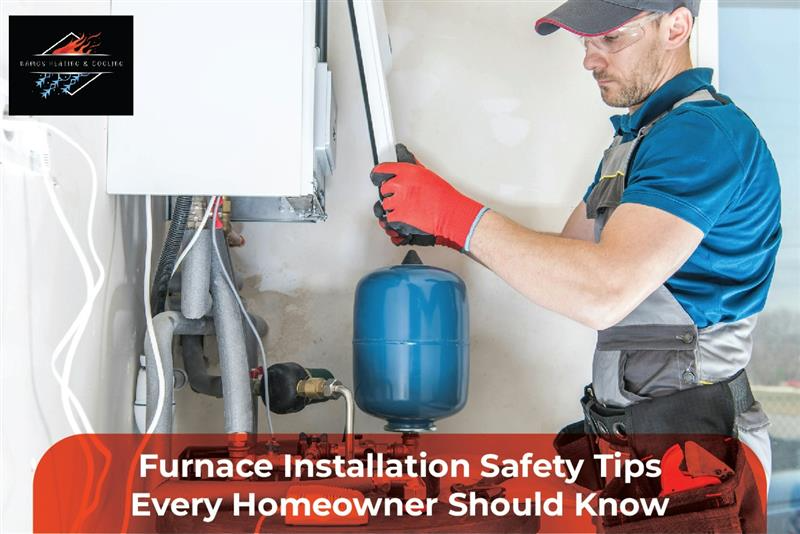
A new furnace can completely transform your home. One day, you’re piling on blankets and space heaters, and the next, warm air flows smoothly through every room. It feels great, until you remember that a furnace isn’t just another appliance. It’s a powerful heating system that uses gas, electricity, combustion, and ventilation simultaneously. If installed incorrectly, it can become a serious safety risk. That’s why furnace installation safety should always come first, not last.
Whether you’re replacing an old unit or installing one for the first time, knowing the basics keeps your family protected and your investment secure. From carbon monoxide risks to electrical hazards and code compliance, there’s more to safe furnace installation than simply connecting a few pipes. The good news? With the right furnace installation safety tips, a clear checklist, and help from trained professionals, you can enjoy efficient heat without worry. This guide walks you through everything in plain, practical language, so you feel confident, informed, and ready to make wise decisions.
Let’s dive in and make sure your next furnace install is safe, smooth, and stress-free.
Why Furnace Installation Safety Matters More Than You Think
Many homeowners focus on performance and price. That makes sense. However, safety should always lead the conversation. A poorly installed furnace can cause gas leaks, fire hazards, poor air quality, or even carbon monoxide poisoning. These risks aren’t rare; they happen every year due to rushed or DIY installations.
At the same time, following proper furnace installation safety standards protects your family and your home. It also improves energy efficiency and extends your equipment’s lifespan. In short, safe work saves money and prevents emergencies. When you prioritize safety, you’re not just checking a box; you’re protecting what matters most.
Understand Furnace Installation Safety Codes and Requirements
Before any tools come out, you need to understand local furnace installation safety codes and furnace installation safety requirements. Building codes exist for a reason. They ensure your system vents correctly, connects safely to gas lines, and meets clearance rules.
For example, furnaces must maintain a specific distance from walls or combustible materials. Electrical connections must follow national standards. Gas piping must be sealed and pressure tested. Skipping these steps might pass unnoticed today but fail during inspection—or worse, create hidden hazards.
If you’re unsure about codes in your area, hiring a licensed professional is the safest route. Companies like Ramos Heating & Cooling stay up to date on regulations and manage permits properly.
Choose the Right Location for Safe Furnace Installation
Placement plays a bigger role than most homeowners realize. A cramped closet or poorly ventilated corner can quickly become a safety hazard. Good airflow and proper clearance are essential for safe furnace installation.
Install the furnace on a stable, level surface. Keep flammable items, such as paint, cardboard, and cleaning supplies, away from ignition sources. Also, make sure technicians can easily access the unit for maintenance or emergency repairs. If access is tight, servicing becomes difficult, and minor problems may go unnoticed.
Simply put, clever placement today prevents costly repairs tomorrow.
Watch Out for Common Furnace Installation Safety Hazards
Let’s talk about real-life risks. Knowing the most common safety hazards in furnace installation helps you prevent them before they occur.
Gas leaks are at the top of the list. Even a small leak can create fire or explosion risks. Poor venting is another danger because it traps harmful gases inside your home. Electrical mistakes may cause shocks or system failure. Meanwhile, improper duct connections reduce efficiency and overwork the furnace.
The fix is straightforward: double-check every connection and never rush. Testing each component takes time, but it’s worth every minute. A careful install is always safer than a fast one.
Gas Furnace Installation Safety: Extra Steps You Can’t Skip
If you’re installing a gas system, gas furnace installation safety becomes even more critical. Gas furnaces are efficient and reliable, but they require precision.
First, technicians must test gas lines for leaks using approved tools, not guesswork. Second, vent pipes must properly carry combustion gases outdoors. Third, carbon monoxide detectors should be installed near sleeping areas.
These steps aren’t optional. They’re life-saving precautions. A well-installed gas furnace keeps your home cozy; a poorly installed one can be dangerous. Always treat gas with respect and hire certified professionals when possible.
Follow a Simple Furnace Installation Safety Checklist
A practical furnace installation safety checklist keeps everything organized and stress-free. Here’s a homeowner-friendly version:
- Confirm the correct furnace size and capacity
- Verify proper clearances
- Inspect gas and electrical connections
- Secure venting and exhaust pipes
- Install carbon monoxide detectors
- Test thermostat and airflow
- Schedule a professional inspection
Using a checklist prevents missed steps. It also gives you peace of mind knowing everything was handled correctly. Think of it like a recipe, you wouldn’t skip ingredients, right?
Schedule a Furnace Installation Safety Inspection
Even if the installation looks perfect, an extra set of eyes helps. A furnace installation safety inspection ensures nothing was overlooked. Professionals check pressure levels, airflow, wiring, and system startup performance.
This inspection often catches minor issues early. A loose-fitting or slightly misaligned vent. Fixing these now prevents bigger repairs later. Additionally, inspections may be required to maintain warranty coverage or local compliance.
For homeowners in Wisconsin, professional help is available.
Why Professional Installation Is the Smartest Choice
DIY projects can be fun. However, furnace installation isn’t the place to experiment. Certified technicians understand furnace installation safety standards, comply with codes, and carry appropriate insurance.
Professionals also size systems accurately, which prevents short cycling and wasted energy. Most importantly, they keep your family safe. When you consider the risks involved, hiring experts makes sense.
Want to learn more about the advantages?
Sometimes, peace of mind is worth every penny.
Keep Safety Going After Installation
Installation is only the beginning. Ongoing maintenance keeps your furnace safe and efficient year after year.
Change filters regularly. Keep the area clean and clutter-free—schedule annual tune-ups. Listen for strange noises or smells. If something feels off, call a technician right away. Small actions make a big difference.
By staying proactive, you extend your furnace’s lifespan and maintain consistent indoor comfort. Safety isn’t a one-time job; it’s a habit.
Final Thoughts
Installing a furnace is a major home upgrade. Done right, it delivers comfort, savings, and reliability for years. Done wrong, it can create costly and dangerous problems. That’s why following furnace installation safety tips, complying with codes, and scheduling inspections matter.
Take your time. Use a checklist. Call professionals when needed. Your home deserves heat that’s both efficient and safe. After all, warmth should bring comfort, not worry.
FAQs
1. What is the most important part of furnace installation safety?
Proper gas and electrical connections are critical. Even small mistakes can lead to leaks or fire hazards.
2. Can I install a furnace myself?
It’s not recommended. Professional installers understand furnace installation safety requirements and local codes, ensuring safe and legal installation.
3. How often should a furnace be inspected?
At least once a year. Annual inspections maintain safety and efficiency.
4. What safety devices should every furnace have?
Carbon monoxide detectors, proper venting, and shutoff valves are essential.
5. How do I know if my furnace installation is unsafe?
Warning signs include gas smells, poor airflow, loud noises, or inconsistent heating. Call a technician immediately if you notice any of these.