
When summer heat hits hard, your air conditioner becomes your best friend. However, if your system starts blowing warm air or making strange noises, things can get frustrating fast. The good news? You don’t always need an emergency service call to restore comfort. With the right AC repair tips, a little patience, and some basic knowledge, you can improve your cooling performance and prevent costly breakdowns.
Many homeowners ignore small warning signs until they turn into major issues. But if you follow a smart AC maintenance guide and perform regular, simple checks, you can extend your unit’s lifespan and boost efficiency. In this blog, I’ll walk you through practical, easy-to-follow strategies that combine professional insight with real-life experience. Let’s dive in and make sure your AC runs strong all season long.
1. Start with a Clean AC Filter for Instant Improvement
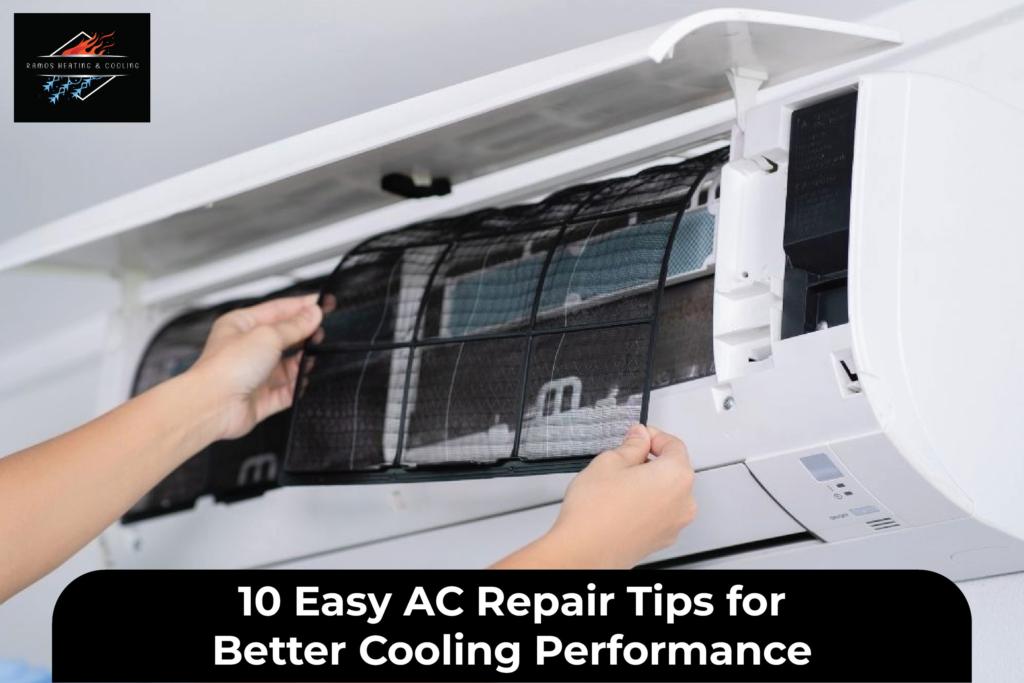
If there’s one thing you should never ignore, it’s your air filter. A dirty filter blocks airflow, reduces efficiency, and forces your system to work harder than necessary. As a result, your energy bills increase while your comfort decreases. One of the simplest DIY AC fixes is to replace the AC filter regularly.
Check your filter every 30 days during peak summer months. If you have pets or allergies, replace it even sooner. A clean filter improves airflow immediately and helps prevent common AC problems like overheating and frozen components. It’s affordable, quick, and incredibly effective.
2. Check Your Thermostat Settings First
Before assuming the worst, take a moment to review your thermostat. Many cooling complaints stem from incorrect settings. Make sure it’s set to “cool” and not “fan.” Also, verify that the temperature setting is below room temperature.
If your thermostat runs on batteries, replace them regularly. Upgrading to a programmable or smart thermostat can also enhance efficiency and comfort. When troubleshooting a basic air conditioner, always start here—it could save you time and money.
3. Keep Outdoor Condenser Coils Clean and Clear
Your outdoor unit needs space to breathe. Leaves, dirt, grass clippings, and debris often collect around it, blocking airflow. When airflow is restricted, the system struggles to release heat properly.
Turn off the power before cleaning. Then gently rinse the condenser with a garden hose. Trim vegetation at least two feet around the unit. Clean coils improve efficiency and reduce strain on your compressor. This small step plays a major role in your overall AC maintenance guide routine.
4. Inspect for Refrigerant Leaks Early
Low refrigerant levels reduce cooling power and can damage your compressor. If your AC blows warm air or runs constantly without cooling properly, you may need refrigerant leak repair.
Look for signs like hissing sounds, ice buildup on refrigerant lines, or higher energy bills. However, refrigerant handling requires professional certification. If you suspect a leak, contact a trusted HVAC expert. Timely repairs prevent costly system failures and quickly restore cooling efficiency.
5. Prevent and Fix Frozen AC Coils
One of the most common yet overlooked issues is frozen AC coils. When airflow is restricted or refrigerant levels are low, moisture can freeze on the evaporator coils. As a result, your AC may stop cooling entirely.
If you notice ice buildup, turn off the system and allow it to thaw completely. Replace dirty filters and check airflow. If the problem persists, schedule professional service. Ignoring frozen coils can lead to compressor damage, which is far more expensive to fix.
6. Seal and Inspect Ductwork for Air Leaks
Even if your AC is working perfectly, leaky ducts can waste up to 30% of cooled air. That means you pay more but feel less comfortable. Inspect visible ductwork in attics or basements for gaps, loose joints, or disconnected sections.
Use foil tape or mastic sealant for minor leaks. Proper sealing ensures cool air reaches every room efficiently. While this isn’t always listed among common AC repair tips, it significantly improves overall cooling performance.
7. Reset the Circuit Breaker When Necessary
Sometimes your AC won’t turn on at all. Before panicking, check your electrical panel. A tripped breaker is often the culprit. Reset it once and monitor the system.
However, if it trips repeatedly, stop immediately. That indicates a more serious electrical issue requiring professional inspection. For reliable, safe service, schedule help.
8. Clean the Drain Line to Avoid Water Damage
Your AC removes moisture from the air, and the condensate drains through a condensate line. Over time, algae and debris can clog the line, causing water to back up.
Use a wet/dry vacuum to clear minor blockages. You can also flush the line with a mixture of vinegar and warm water. Preventing clogs avoids water damage, mold growth, and unexpected shutdowns. This step is simple but powerful in maintaining a healthy cooling system.
9. Listen for Unusual Noises and Act Quickly
Strange noises often signal developing issues. Banging could indicate loose components. Grinding may suggest motor trouble, while squealing often indicates belt or bearing issues.
Don’t ignore these sounds. Early air conditioner troubleshooting helps you catch problems before they escalate. If needed, professional inspection ensures your system stays safe and efficient.
10. Schedule Preventive Maintenance Before Peak Season
Even if everything seems fine, preventive service keeps your AC performing at its best. Professional technicians inspect refrigerant levels, electrical components, coils, motors, and overall performance.
Regular tune-ups reduce the risk of common AC problems, improve efficiency, and extend equipment lifespan. If you already maintain your furnace in winter with the right resources, your AC deserves the same attention in summer.
Final Thoughts
Your air conditioner works hard every day, especially during peak summer heat. By following these practical and effective AC repair tips, you protect your investment and maintain consistent indoor comfort. Simple habits like regular filter changes, coil cleaning, and thermostat settings checks can make a significant difference.
However, remember that some issues require professional expertise. When in doubt, don’t risk further damage. A trusted HVAC partner ensures your system runs efficiently and safely all season long. Stay proactive, stay informed, and enjoy cool air without stress.
FAQs
1. How often should I perform an AC filter change?
You should check your filter monthly and replace it every 1–3 months, depending on usage and indoor air quality.
2. What are the most common AC problems homeowners face?
Common AC problems include dirty filters, refrigerant leaks, frozen coils, thermostat issues, and clogged drain lines.
3. Can I handle refrigerant leak repair myself?
No. Refrigerant handling requires EPA certification. Always contact a licensed professional for safe repairs.
4. Why do frozen AC coils happen?
Frozen AC coils typically result from restricted airflow or low refrigerant levels.
5. When should I call a professional for AC repair?
If your AC makes unusual noises, leaks refrigerant, repeatedly trips breakers, or fails to cool after basic troubleshooting, call a technician immediately.