
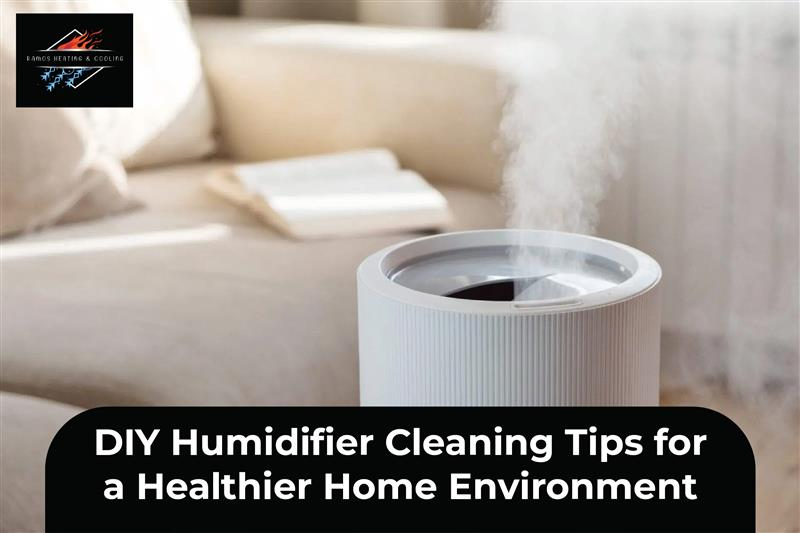
Maintaining healthy indoor air is not just a seasonal concern; it’s a year-round responsibility. One often-overlooked device that plays a significant role in indoor comfort is your humidifier. When properly cleaned and maintained, a humidifier helps reduce dry skin, allergy symptoms, static electricity, and respiratory discomfort. However, when neglected, it can quickly become a breeding ground for bacteria, mold, and mineral buildup, negatively affecting your air quality.
Many homeowners assume humidifier maintenance is complicated or best left to professionals. The truth is, with the proper knowledge and a simple routine, DIY humidifier cleaning can be both easy and effective. Whether you use a portable unit or a whole-house system, understanding how to clean and maintain it properly can protect your health, extend the equipment’s lifespan, and improve overall comfort.
In this detailed DIY humidifier cleaning guide, we’ll walk you through practical, step-by-step tips to keep your humidifier running safely and efficiently. From descaling with vinegar to seasonal prep and filter care, this guide covers everything you need to create a healthier home environment, without stress or guesswork.
Why Regular Humidifier Cleaning Truly Matters
A humidifier’s job is to add moisture to the air, but moisture combined with warmth can quickly encourage bacterial growth if the unit isn’t cleaned regularly. Dirty humidifiers can release harmful particles into the air, aggravating asthma, allergies, and sinus issues. This is why preventing bacteria in humidifiers should always be a top priority.
Beyond health concerns, regular cleaning also improves performance. Mineral deposits from hard water can clog internal components, reducing efficiency and forcing the system to work harder. Over time, this strain can lead to higher energy bills and premature breakdowns. Consistent care keeps everything working smoothly.
Most experts recommend following a structured humidifier filter cleaning schedule and routine inspections. When maintenance becomes a habit rather than an afterthought, your humidifier becomes a reliable tool instead of a hidden problem.
A Simple DIY Humidifier Cleaning Guide for Homeowners
Creating a cleaning routine doesn’t need to feel overwhelming. Start by unplugging the unit or turning off the power supply for whole-house humidifiers. Always empty any remaining water before cleaning to avoid spreading bacteria or minerals.
Use mild dish soap and warm water to clean removable parts. Avoid harsh chemicals, as they can leave residues that later disperse into the air. For tougher buildup, white vinegar works wonders and is safe for most components.
Make this process part of your portable humidifier’s weekly cleaning routine. Even five to ten minutes a week can prevent long-term damage and keep your indoor air fresh and safe.
How to Descale a Humidifier With Vinegar Safely
Mineral scale is one of the most common issues in humidifiers, especially in areas with hard water. Learning how to descale a humidifier with vinegar is one of the most effective DIY solutions available.
Fill the water tank with a mixture of white vinegar and water, then let it sit for 20 to 30 minutes. Acidity naturally breaks down calcium and lime deposits. After soaking, gently scrub with a soft brush or cloth and rinse thoroughly.
Never skip the final rinse. Leaving vinegar residue can cause unpleasant odors during operation. When done correctly, this method restores efficiency and improves mist output without damaging internal parts.
Setting a Practical Humidifier Filter Cleaning Schedule
Filters play a crucial role in trapping minerals and impurities before moisture enters your air. Over time, filters become clogged, reducing airflow and efficiency. Following a consistent humidifier filter cleaning schedule helps prevent this issue.
Check disposable filters monthly and replace them as recommended by the manufacturer. Washable filters should be cleaned every two to four weeks, depending on usage and water quality.
Ignoring filters not only lowers performance but also increases the risk of airborne contaminants. A clean filter ensures cleaner air and better humidity control throughout your home.
Annual Humidifier Maintenance Checklist Every Home Should Follow
An annual humidifier maintenance checklist helps homeowners stay organized and proactive. At least once a year, inspect the unit thoroughly for wear, leaks, or corrosion.
Key tasks include checking electrical connections, cleaning internal components, inspecting water lines, and replacing worn parts. Whole-house systems may also require professional inspection to ensure proper integration with your HVAC system.
This yearly routine prevents costly repairs and ensures peak performance during high-demand seasons like winter.
Humidifier Drain Line Unclogging Made Easy
Clogged drain lines are a common but overlooked issue, especially in whole-house humidifiers. When water cannot drain properly, it can lead to leaks, water damage, or system shutdowns.
Humidifier drain line unclogging usually involves flushing the line with warm water or vinegar to remove mineral buildup. In stubborn cases, a small plumbing snake or compressed air can help.
Keeping drain lines clear improves reliability and prevents unexpected breakdowns during peak usage.
Winter Humidifier Preparation Tips for Maximum Comfort
Cold weather increases the need for indoor humidity, making winter humidifier preparation tips especially important. Before winter begins, thoroughly clean the unit and replace filters or pads.
Adjust humidity settings to avoid condensation on windows, which can lead to mold growth. Monitor indoor humidity levels and make minor adjustments as outdoor temperatures change.
A well-prepared humidifier ensures consistent comfort while protecting your home’s structure and indoor air quality.
When to Schedule an Aprilaire Humidifier Pad Change
If your home uses an Aprilaire system, timely pad replacement is essential. An Aprilaire humidifier pad change should typically be done once a year, ideally before winter.
Over time, pads collect minerals and debris that restrict water flow. Replacing them ensures proper moisture distribution and prevents bacterial growth.
This simple step can significantly improve efficiency and extend the life of your humidifier system.
When DIY Isn’t Enough: Knowing When to Call a Pro
While DIY maintenance covers most needs, some issues require professional attention. Persistent leaks, electrical issues, or poor humidity control may indicate deeper problems.
Trusted HVAC professionals like Ramos Heating and Cooling can safely inspect, repair, and optimize your system. Learn more about expert services.
For broader HVAC insights, you may also find this helpful.
Professional support ensures long-term performance and peace of mind.
Final Thoughts: Cleaner Humidifiers, Healthier Homes
DIY humidifier maintenance isn’t just about equipment; it’s about your health, comfort, and peace of mind. With consistent care, simple tools, and the proper schedule, you can prevent bacteria, improve air quality, and extend the life of your system.
By following this guide, you’re not just cleaning a device; you’re creating a healthier living environment for your family. Small efforts today lead to cleaner air tomorrow.
Frequently Asked Questions
How often should I clean my humidifier?
Portable units should be cleaned weekly, while whole-house humidifiers need monthly inspections and annual deep cleaning.
Is vinegar safe for all humidifiers?
Yes, white vinegar is safe for most units and effective for descaling. Always rinse thoroughly afterward.
Can a dirty humidifier make you sick?
Yes. Poor maintenance can spread bacteria and mold, worsening allergies and respiratory issues.
Do I need professional service every year?
Annual professional inspections are recommended for whole-house systems to ensure safety and efficiency.
When should I replace humidifier filters or pads?
Filters should be checked monthly, and pads, such as Aprilaire models, should be replaced annually.