
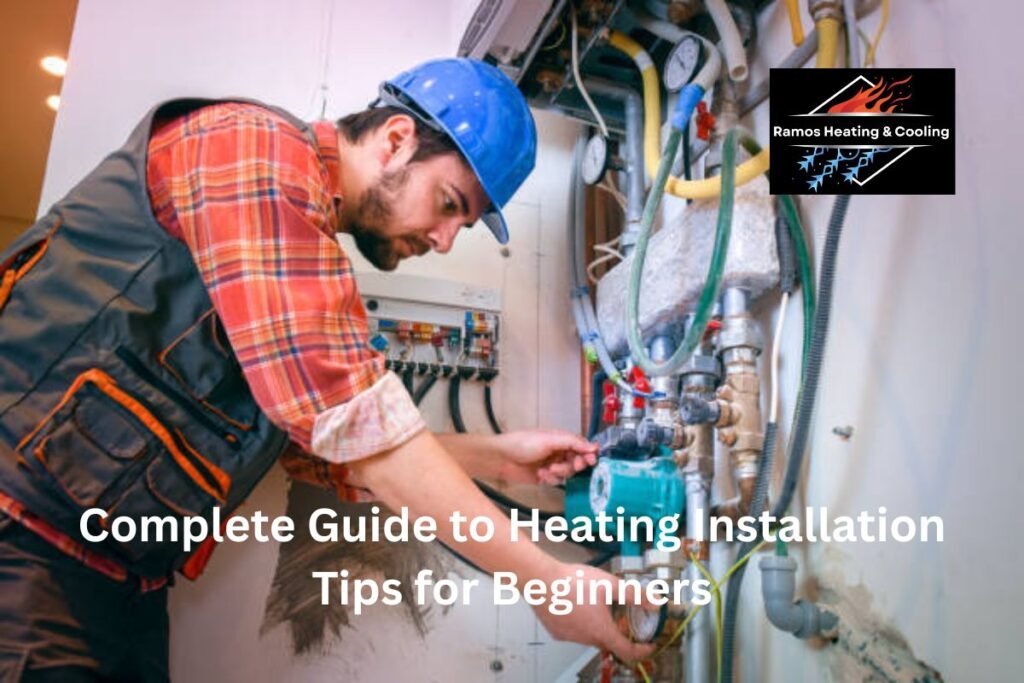
Getting a new heating system installed in your home can feel overwhelming, especially if you’re doing it for the first time. From choosing the right unit to understanding the installation process, there’s a lot to consider. However, when you break things down step by step, heating installation becomes much more manageable and even exciting. After all, a properly installed system means better comfort, improved energy efficiency, and long-term savings.
Whether you’re planning a furnace installation, exploring a heat pump installation, or considering radiant heating installation, this guide is designed to walk you through everything you need to know. We’ll keep things simple, practical, and easy to follow so that you can make smart decisions with confidence. Let’s dive in and turn your home into a cozy, energy-efficient space.
Why Proper Heating Installation Matters More Than You Think
A well-executed heating system installation does more than just keep your home warm. It directly impacts your comfort, energy bills, and even indoor air quality. When installed correctly, your system runs efficiently and lasts longer.
On the flip side, poor installation can lead to uneven heating, higher utility costs, and frequent repairs. That’s why investing in professional heating installation is often the smartest choice.
Key benefits of proper installation include:
- Consistent and even heating throughout your home
- Lower energy consumption and utility bills
- Reduced risk of breakdowns and repairs
- Improved indoor air quality
- Longer lifespan of your system
Choosing the Right Heating System for Your Home
Before jumping into installation, you need to select the right system. Each type of central heating installation has its own advantages.
For example, a gas furnace installation is ideal for colder climates due to its powerful heating capabilities. Meanwhile, a boiler installation provides steady, comfortable heat through radiators or underfloor heating systems. On the other hand, a heat pump installation is ideal for energy-conscious homeowners, as it provides both heating and cooling.
Popular heating systems to consider:
- Furnaces (gas or electric)
- Boilers
- Heat pumps
- Radiant heating systems
- Hybrid heating systems
Take time to evaluate your home size, insulation, and climate before making a decision.
Understanding the Heating Installation Process Step-by-Step
Knowing what happens during a heating installation can help you prepare better and avoid surprises. While the process varies by system, the general steps remain similar.
First, professionals assess your home and recommend the best system. Next, they remove any old equipment and prepare the installation site. Then comes the actual setup, including ductwork, wiring, or piping.
Typical installation steps include:
- Home inspection and load calculation
- System selection and sizing
- Removal of the old heating unit
- Installation of new equipment
- Testing and final adjustments
Once completed, technicians ensure everything is running smoothly and safely.
Heating Installation Costs: What Should You Expect?
One of the most common concerns is the cost of heating installation. The price varies depending on the system type, home size, and installation complexity.
For instance, a basic furnace installation may cost less than a full radiant heating installation, which requires additional labor and materials. Similarly, boiler installation costs can increase if piping needs to be updated.
Factors that affect installation cost:
- Type of heating system
- Size of your home
- Labor and installation complexity
- Energy efficiency rating
- Additional upgrades (ductwork, insulation)
While it may be tempting to choose the cheapest option, investing in quality installation pays off in the long run.
DIY vs Professional Heating Installation: What’s Best?
Many beginners wonder if they can handle heating installation themselves. While DIY might seem cost-effective, it often comes with risks.
Heating systems involve electrical connections, gas lines, and ventilation. Even a small mistake can lead to safety hazards or system failure. That’s why professional heating installation is highly recommended.
Why hiring professionals is worth it:
- Ensures safety and compliance with codes
- Guarantees proper system sizing and setup
- Reduces risk of costly mistakes
- Provides warranty protection
- Saves time and stress
In short, DIY may work for small tasks, but full installation is best left to experts.
Energy Efficiency Tips for Better Heating Performance
Once your heating system installation is complete, maximizing efficiency should be your next goal. A few simple steps can make a big difference.
Start by sealing air leaks and improving insulation. Also, consider upgrading your thermostat to a smart model. These changes help your system work smarter, not harder.
Simple ways to boost efficiency:
- Install a programmable thermostat
- Seal windows and doors
- Maintain proper insulation
- Schedule regular maintenance
- Clean or replace air filters
Efficient systems not only reduce energy bills but also extend equipment life.
Common Heating Installation Mistakes to Avoid
Even with the best intentions, beginners often make mistakes during heating installation. Being aware of these pitfalls can save you time and money.
One common error is choosing the wrong system size. Oversized units waste energy, while undersized ones struggle to heat your home. Another mistake is ignoring ventilation requirements, especially in gas furnace installation.
Avoid these common mistakes:
- Incorrect system sizing
- Poor ductwork design
- Ignoring ventilation needs
- Skipping professional help
- Choosing low-quality equipment
Learning from these mistakes ensures a smoother installation experience.
Enhancing Your HVAC System with Air Purification
While focusing on heating, don’t forget about indoor air quality. Integrating an air purifier with your HVAC system can significantly improve your home environment.
You can explore options like setting up an air purifier, installing one, and ensuring proper placement for maximum efficiency. A whole-house air purifier works seamlessly with your system to remove dust, allergens, and pollutants.
For expert solutions.
Combining heating with clean air creates a healthier and more comfortable living space.
Final Thoughts
Installing a heating system doesn’t have to be stressful. With the right knowledge and planning, you can make confident decisions that benefit your home for years to come.
From selecting the right system to understanding the cost of a heating installation, every step plays a crucial role. While DIY may seem tempting, professional heating installation ensures safety, efficiency, and long-term reliability.
If you’re ready to upgrade your comfort, now is the perfect time to take action. Invest in quality, work with experts, and enjoy a warm, cozy home all season long.
FAQs
1. How long does a heating installation take?
Most installations take 4 to 8 hours, but complex systems may require a full day or more.
2. What is the average heating installation cost?
Costs vary widely but typically range from $3,000 to $10,000, depending on the system and home size.
3. Is professional heating installation necessary?
Yes, it ensures safety, efficiency, and compliance with local codes.
4. Which heating system is best for beginners?
Furnaces and heat pumps are popular choices due to their efficiency and ease of use.
5. How often should I maintain my heating system?
At least once a year to keep it running efficiently and prevent breakdowns.
6. Can I combine heating with air purification?
Absolutely! Adding a whole-house air purifier significantly improves indoor air quality.