
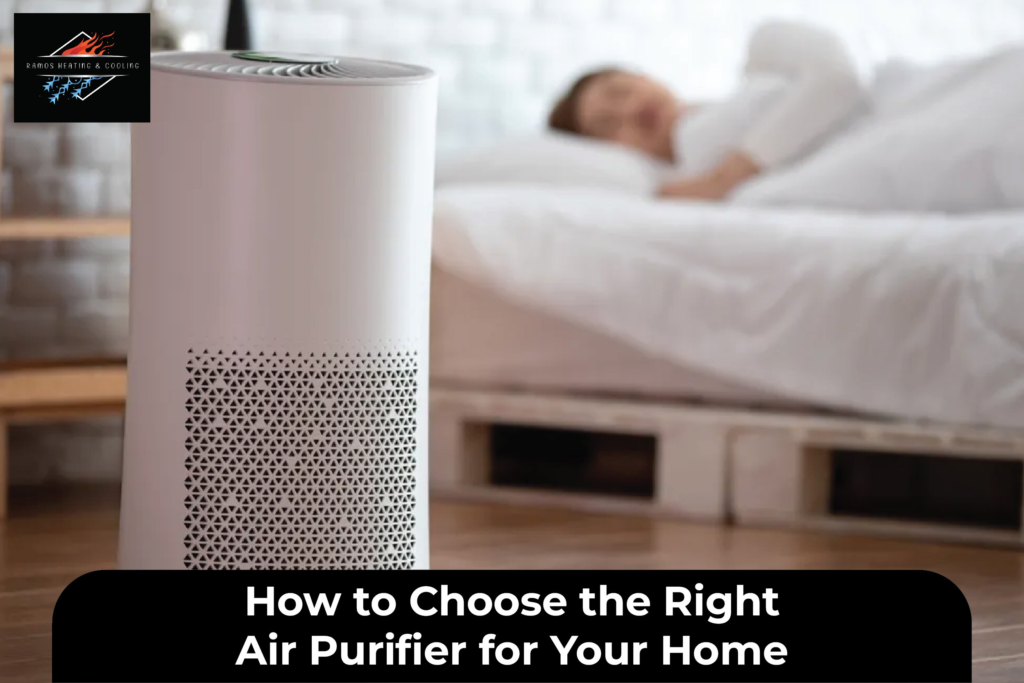
The air inside your home should feel clean, fresh, and safe. However, many homeowners don’t realize that indoor air can sometimes be more polluted than outdoor air. Dust, pet dander, pollen, smoke particles, and even household chemicals can circulate through your living space every single day. That’s why choosing the right home air purifier is more important than ever.
Still, walking into the world of air purifiers can feel overwhelming. There are different sizes, filters, features, and price ranges. Some claim to be the best home air purifier, while others promise hospital-grade filtration. How do you actually choose the right air purifier for home use without wasting money?
In this detailed guide, we’ll break everything down in a clear, practical way. You’ll learn how air purifiers work, what features truly matter, how to size them properly, and how to avoid common buying mistakes. By the end, you’ll feel confident about selecting a high-performing residential air purifier that fits your needs and your budget.
Why Indoor Air Quality Matters More Than You Think
Before you buy an indoor air purifier, it helps to understand why indoor air quality is a significant concern.
Most people spend about 90% of their time indoors. During winter or extreme summer heat, that number increases even more. Dust mites, mold spores, pet hair, and bacteria circulate through your HVAC system. Cooking fumes and cleaning products add more contaminants. Over time, these particles can trigger allergies, asthma, headaches, and fatigue.
A quality household air cleaner helps remove these airborne pollutants. While regular HVAC maintenance is essential, adding a dedicated purifier provides an additional layer of protection. If you want professional filtration solutions, you can also explore services to strengthen your overall indoor air system.
Clean air is not a luxury. It’s a necessity for a healthier home.
Understand the Different Types of Air Purifiers
Not all air purifiers work the same way. If you want the best home air purifier, you need to know the main types available.
HEPA Air Purifiers
A HEPA air purifier for the home uses High-Efficiency Particulate Air (HEPA) filters. These filters trap 99.97% of particles as small as 0.3 microns. That includes pollen, dust, pet dander, and smoke particles.
HEPA filters are widely considered the gold standard. If someone in your home has allergies or asthma, this is usually the best choice.
Activated Carbon Filters
Carbon filters focus on odors and gases. They remove cooking smells, smoke odors, and volatile organic compounds (VOCs). Many premium units combine HEPA and carbon filtration for complete coverage.
UV and Ionizers
Some purifiers include UV light or ionizers. While they can reduce bacteria, they are not a replacement for HEPA filtration. In fact, ionizers can sometimes produce ozone, which may irritate sensitive lungs.
For most households, a HEPA air purifier home model with activated carbon offers the best balance of safety and performance.
Choose the Right Size for Your Room
Size matters more than most people realize.
Every room air purifier is designed to handle a specific square footage. If you buy a unit that is too small, it will struggle to clean the air effectively. On the other hand, an oversized unit may cost more than necessary.
Manufacturers list a CADR (Clean Air Delivery Rate). The higher the CADR, the faster the unit filters air. Ideally, you want a purifier that can clean the air in your room at least four to five times per hour.
For example:
- Small bedrooms: 150–300 sq. ft.
- Living rooms: 300–500 sq. ft.
- Open spaces: 500+ sq. ft.
If you’re unsure, choose a slightly larger unit. It will run more efficiently at lower speeds, thereby reducing noise.
Pay Attention to Filter Quality and Replacement Costs
Buying the unit is only part of the investment. Filters need regular replacement.
Some low-cost models look attractive up front but require expensive filters every few months. Over time, that cost adds up. Always check:
- How often do filters need replacement
- The cost of replacement filters
- Whether the filter is washable or disposable
A quality residential air purifier should clearly state its maintenance schedule. Many modern units include filter-change indicators, making maintenance simple.
If your home already has HVAC filtration, consider upgrading it professionally to maximize performance.
Consider Noise Levels for Everyday Comfort
Let’s be honest. Nobody wants a purifier that sounds like a jet engine in their bedroom.
Noise levels are measured in decibels (dB). For bedrooms, aim for 20–40 dB on low settings. Living areas can tolerate slightly higher levels.
Many of the best home air purifier models include sleep modes. These settings reduce fan speed and dim display lights at night. If you plan to use a room air purifier in a nursery or office, this feature becomes even more important.
Always check real-world reviews, not just manufacturer claims.
Smart Features: Helpful or Just Hype?
Modern purifiers come packed with features. Some are genuinely useful. Others are simply marketing tools.
Helpful features include:
- Air quality sensors
- Auto-adjust fan speed
- Timer settings
- Wi-Fi or app control
- Filter replacement alerts
Air quality sensors automatically adjust filtration speed when pollution levels rise. This improves efficiency and saves energy.
However, don’t let flashy features distract you from the core purpose. A strong HEPA filter and proper room coverage matter far more than Wi-Fi connectivity.
Think About Your Specific Air Quality Needs
Every household is different. That means your home air purifier needs should match your lifestyle.
- Have pets? Look for strong HEPA filtration and high CADR.
- Sensitive to odors? Choose a model with thick carbon filters.
- Live in wildfire-prone areas? Smoke filtration is critical.
- Have allergies? A true indoor air purifier with medical-grade HEPA filtration is most effective.
Also, if your home struggles with dryness or humidity imbalance, read helpful maintenance guides to maintain balanced indoor comfort.
Clean air works best when combined with proper humidity control and HVAC care.
Portable vs Whole-Home Air Purifiers
Now comes an important decision.
A portable room air purifier works well for single rooms. It’s affordable, flexible, and easy to install. You simply plug it in.
However, a whole-home air purifier integrates directly with your HVAC system. It filters air throughout your entire house, not just one area. This option is ideal for larger homes or families with severe allergies.
Whole-home systems cost more upfront, but they provide consistent air cleaning throughout the home. If you’re considering this option, consulting an HVAC professional is always a smart move.
Final Thoughts
Choosing the right air purifier for home use is not just about gadgets. It’s about protecting your health and improving everyday comfort.
Focus on three main factors:
- True HEPA filtration
- Correct room size coverage
- Reasonable filter replacement costs
After that, consider noise levels and smart features. Avoid unnecessary gimmicks. Instead, invest in a durable, efficient household air cleaner that matches your space and lifestyle.
Clean air helps you sleep better, breathe easier, and feel more energized. When you choose wisely, your residential air purifier becomes one of the most valuable upgrades in your home.
FAQs
1. What is the best home air purifier for allergies?
A HEPA air purifier for the home is the best option for allergy sufferers. It removes pollen, dust, and pet dander.
2. How often should I replace air purifier filters?
Most HEPA filters need replacement every 6–12 months. Carbon filters may require more frequent changes depending on usage.
3. Can one air purifier clean my entire house?
A portable room air purifier cleans only one area. For whole-house coverage, you need a whole-home system connected to your HVAC.
4. Are air purifiers worth the investment?
Yes. A high-quality indoor air purifier reduces allergens, odors, and airborne pollutants, improving overall health.
5. Do air purifiers remove odors?
Models with activated carbon filters effectively remove smoke, cooking odors, and chemical odors.