
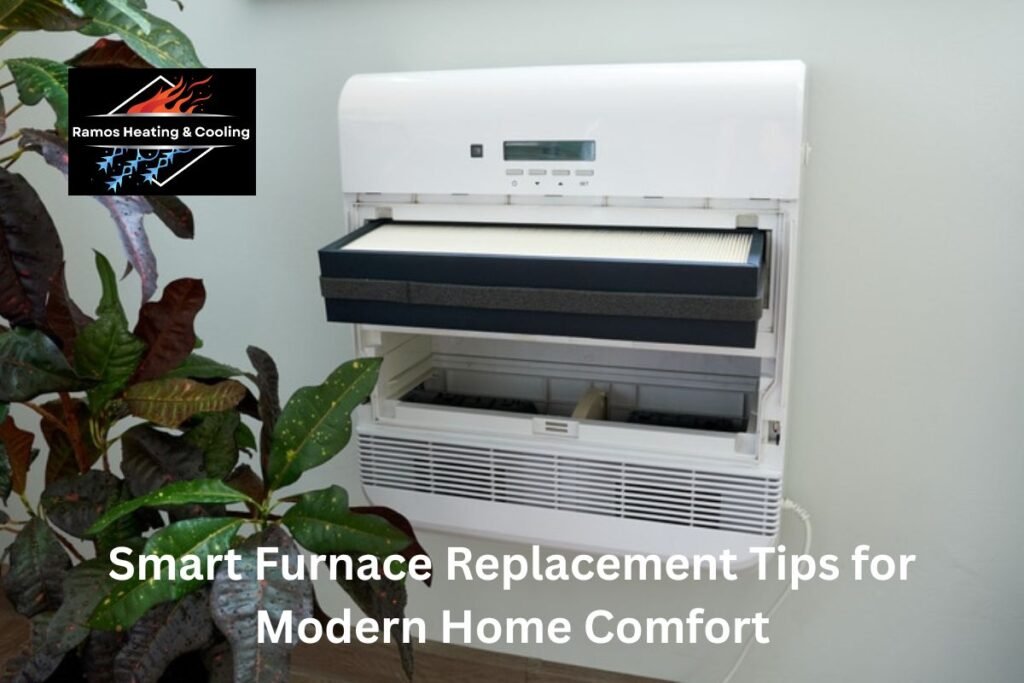
When your heating system starts acting up in the middle of winter, it’s more than just inconvenient; it’s stressful. A reliable furnace is essential for keeping your home warm, energy-efficient, and comfortable. Whether you’re dealing with rising energy bills or inconsistent heating, a smart furnace replacement can make all the difference.
Modern homeowners are now focusing on energy efficiency, cost savings, and long-term comfort. That’s why understanding the ins and outs of furnace replacement is crucial before making a decision. From choosing the right unit to planning your budget and ensuring proper installation, every step matters.
In this guide, we’ll walk you through smart furnace replacement tips that help you save money, boost comfort, and make a confident decision. Let’s dive in and make your home cozier than ever.
Why Furnace Replacement Is a Smart Investment
Replacing your old furnace might seem like a big expense upfront, but it’s actually a smart long-term investment. Older systems often lose efficiency over time, leading to higher energy bills and frequent repairs. A new furnace replacement can drastically improve your home’s comfort while reducing operating costs.
Moreover, modern systems are designed with advanced technology. They provide better airflow, consistent heating, and improved indoor air quality. If you’re already exploring upgrades like an air purifier setup or planning to install one, pairing it with a new furnace can maximize your home’s efficiency.
Key benefits of furnace replacement include:
- Lower energy bills due to improved efficiency
- Enhanced comfort with consistent heating
- Reduced repair and maintenance costs
- Better indoor air quality with modern systems
- Increased home value
Signs It’s Time for a Furnace Replacement
Do you need a furnace replacement? There are clear warning signs that indicate it’s time to upgrade your system. Ignoring these signs can lead to unexpected breakdowns and costly emergency furnace replacement situations.
If your furnace is over 15–20 years old, it’s likely nearing the end of its lifespan. Additionally, frequent repairs and uneven heating are strong indicators that your system is no longer reliable.
Watch out for these signs:
- Rising furnace replacement cost due to frequent repairs
- Uneven heating in different rooms
- Strange noises like banging or rattling
- Increased energy bills without higher usage
- Yellow pilot light instead of blue
When you notice these issues, searching for furnace replacement near me becomes a practical next step.
Choosing the Right Furnace for Your Home
Selecting the right furnace is crucial for long-term comfort and efficiency. Not all furnaces are created equal, and choosing the wrong size or type can lead to poor performance.
For example, a gas furnace replacement is a popular choice among homeowners for its efficiency and affordability. On the other hand, electric systems may be suitable for smaller homes or areas with milder winters.
Factors to consider when choosing a furnace:
- Home size and insulation
- Energy efficiency ratings (AFUE)
- Fuel type (gas, electric, or oil)
- Budget and long-term savings
- Compatibility with existing HVAC systems
If you’re considering a high-efficiency furnace replacement, look for models with AFUE ratings above 90%. These systems may cost more upfront, but save significantly over time.
Understanding Furnace Replacement Costs
One of the biggest concerns homeowners have is the cost of replacing a furnace. While prices vary depending on the system and installation complexity, understanding the cost breakdown can help you plan better.
Typically, a new furnace replacement includes equipment, labor, and potential upgrades to your ductwork or thermostat. Investing in quality installation ensures your system performs efficiently for years.
Cost factors include:
- Type of furnace (gas, electric, oil)
- Size and capacity of the unit
- Installation complexity
- Additional upgrades (thermostat, ductwork)
- Labor charges
Although it may seem expensive initially, a well-planned heating system replacement can reduce energy bills and eliminate frequent repair costs.
Benefits of High-Efficiency Furnace Replacement
A high-efficiency furnace replacement is one of the smartest upgrades you can make. These systems are designed to use less fuel while providing maximum heat output.
They also work well with modern air-quality solutions such as whole-house air-purifier systems. When combined with proper air purifier placement, your home becomes healthier and more comfortable.
Advantages of high-efficiency furnaces:
- Reduced energy consumption
- Lower carbon footprint
- Better temperature control
- Quieter operation
- Longer system lifespan
Upgrading your HVAC furnace replacement to a high-efficiency model ensures you stay warm without overspending on energy bills.
The Importance of Professional Installation
Even the best furnace won’t perform well if it’s installed incorrectly. Professional installation ensures your system operates efficiently and safely.
Hiring experts for residential furnace replacement also helps you avoid costly mistakes. They can assess your home’s needs, recommend the right system, and ensure proper setup.
Why professional installation matters:
- Accurate system sizing
- Proper airflow and ductwork setup
- Compliance with safety standards
- Warranty protection
- Long-term efficiency
Planning for Emergency Furnace Replacement
No one wants their furnace to fail during freezing temperatures. However, emergencies happen, and being prepared can save you time and stress.
An emergency furnace replacement often costs more due to the urgency of service and limited options. That’s why proactive planning is essential.
Tips to avoid emergencies:
- Schedule regular maintenance
- Replace aging systems before failure
- Monitor unusual noises or performance issues
- Keep a backup heating plan
Being proactive helps you avoid last-minute decisions and ensures a smoother heating system replacement process.
Enhancing Comfort with Smart HVAC Upgrades
Replacing your furnace is the perfect time to upgrade your entire HVAC system. Modern systems offer smart thermostats, zoning options, and improved air filtration.
Integrating upgrades like HVAC optimization and indoor air quality solutions can significantly enhance your home’s comfort. For example, combining furnace replacement with an air purifier improves air quality and reduces allergens.
Smart upgrades to consider:
- Smart thermostats for better control
- Zoning systems for personalized comfort
- Advanced filtration systems
- Humidity control solutions
- Energy-efficient ductwork
These upgrades ensure your home stays comfortable year-round while improving efficiency.
Final Thoughts: Make a Smart Move for Lasting Comfort
A furnace replacement isn’t just about staying warm; it’s about creating a comfortable, efficient, and healthy home. By choosing the right system, planning your budget, and working with professionals, you can enjoy long-term benefits.
Whether you’re considering a gas furnace replacement or a high-efficiency furnace replacement, the key is to make informed decisions. Take your time, explore your options, and invest in quality.
Remember, your home deserves the best. A smart furnace upgrade today means comfort, savings, and peace of mind tomorrow.
FAQs
1. How long does a furnace replacement take?
Most furnace replacements take 4–8 hours, depending on the complexity of the installation.
2. What is the average furnace replacement cost?
Costs typically range from $3,000 to $7,500, depending on the system type and installation needs.
3. Should I repair or replace my furnace?
If your furnace is over 15 years old and requires frequent repairs, replacement is usually the better option.
4. What is the best type of furnace for homes?
A gas furnace replacement is often the most efficient and cost-effective choice for many homeowners.
5. Can I replace my furnace during winter?
Yes, but it’s best to plan to avoid emergency furnace replacement situations.