
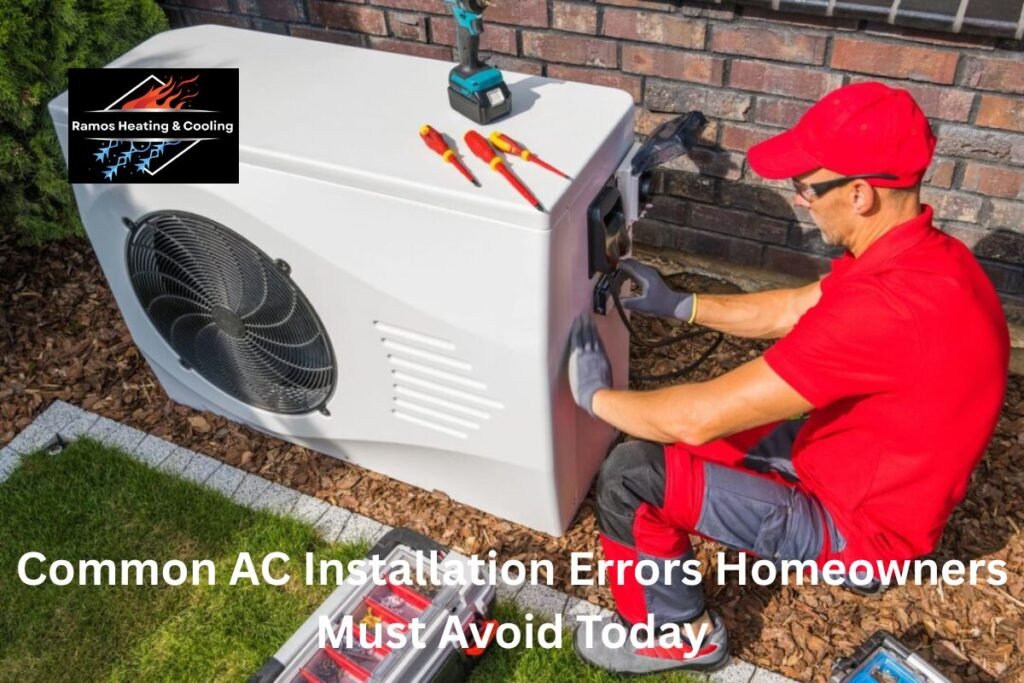
When it comes to staying comfortable during hot summers, a properly installed air conditioning system makes all the difference. However, many homeowners underestimate how critical correct installation really is. Whether you’re planning a home AC installation or upgrading your system, even small mistakes can lead to poor cooling, higher energy bills, and frequent breakdowns.
Think about it, your AC system is an investment. If your residential AC installation isn’t done right from day one, you may end up paying more for repairs than the system itself. Unfortunately, many homeowners either attempt DIY installs or hire inexperienced technicians, leading to costly errors that could have been avoided.
In this guide, we’ll walk you through the most common AC installation mistakes and how to avoid them. Plus, we’ll share practical tips to ensure your home air conditioning setup runs efficiently for years. If you’re planning a new home AC install, this blog will save you time, money, and stress.
Choosing the Wrong Size AC Unit Can Cost You Big
One of the most common mistakes in AC unit installation home projects is selecting the wrong size system. Many homeowners assume that a larger unit will cool faster, but that’s not always the case. Oversized systems cycle on and off too quickly, which reduces efficiency and increases wear and tear.
On the other hand, an undersized unit struggles to cool your space properly. This results in constant operation, higher electricity bills, and uneven cooling throughout your home. That’s why proper load calculation is essential before starting any central AC installation.
What you should do instead:
- Always request a professional load calculation
- Consider home size, insulation, and climate
- Avoid guessing or relying on the old unit size
Poor Placement of the Indoor and Outdoor Units
Another critical error in home air conditioner installation is improper placement of the AC units. The indoor unit should be installed in a location where airflow can be distributed evenly, while the outdoor unit requires adequate ventilation.
If the outdoor unit is placed in a cramped or sun-exposed area, it can overheat and lose efficiency. Similarly, poor indoor placement can lead to uneven cooling and discomfort.
Best practices for placement:
- Install outdoor units in shaded, well-ventilated areas
- Keep units away from obstructions
- Ensure proper airflow inside the home
Skipping Proper Ductwork Inspection
Your ductwork plays a major role in HVAC home installation, yet many homeowners ignore it during installation. Leaky or poorly designed ducts can waste up to 30% of your cooled air.
Even the best central AC installation won’t perform well if the ducts are faulty. Air leaks, blockages, and poor insulation can all reduce system efficiency.
Avoid this mistake by:
- Inspecting ducts before installation
- Sealing leaks and insulating ducts
- Upgrading outdated duct systems if needed
Incorrect Refrigerant Charging Leads to Inefficiency
Refrigerant is the lifeblood of your AC system. If it’s not charged correctly during home AC installation, your unit won’t cool effectively. Too much or too little refrigerant can damage the compressor and reduce its lifespan.
Many DIY installers or inexperienced technicians make this mistake, which can lead to costly repairs down the road.
Key tips:
- Always rely on certified professionals
- Ensure refrigerant levels match manufacturer guidelines
- Schedule regular maintenance checks
Ignoring Proper Electrical Setup and Safety
Electrical issues are another common problem during residential AC installation. Incorrect wiring can lead to system failures, short circuits, or even safety hazards.
Your AC system requires a dedicated circuit and proper grounding. Skipping these steps can damage the unit and pose serious risks.
What to check:
- Ensure proper voltage and circuit capacity
- Use licensed electricians when needed
- Install safety switches and breakers
Lack of Proper Insulation and Sealing
Even a perfectly installed home air-conditioning setup can fail if your home lacks proper insulation. Cool air escapes easily through poorly sealed windows, doors, and walls, making your system work harder.
This not only increases energy costs but also reduces comfort levels inside your home.
Improve efficiency by:
- Sealing air leaks around windows and doors
- Adding insulation in attics and walls
- Using energy-efficient materials
DIY Installation Without Professional Expertise
While DIY projects can save money, installing an AC unit at home is not one of them. Installing an AC system requires technical knowledge, tools, and experience.
Mistakes made during DIY installation often lead to bigger expenses later. From incorrect wiring to improper refrigerant handling, the risks are high.
Why professional installation matters:
- Ensures correct setup and performance
- Protects the manufacturer’s warranty
- Saves money in the long run
Forgetting Maintenance Planning from Day One
Many homeowners focus only on installation and forget about long-term maintenance. However, even the best new-home AC installation needs regular servicing to operate efficiently.
Without maintenance, dust buildup, clogged filters, and worn-out parts can reduce performance and increase energy consumption.
Maintenance essentials:
- Schedule annual HVAC inspections
- Replace filters regularly
- Clean coils and vents
Overlooking Indoor Air Quality Solutions
Modern HVAC home installation goes beyond cooling; it also improves indoor air quality. Ignoring this aspect is a missed opportunity for healthier living.
Adding solutions like installing an air purifier and optimizing its placement can significantly improve air quality. You can even consider a whole-house air purifier for maximum benefits.
Final Thoughts
A successful home AC installation is all about attention to detail. From choosing the right unit size to ensuring proper ductwork and electrical setup, every step matters. Avoiding these common mistakes can save you from expensive repairs and ensure long-term comfort.
If you’re planning a residential AC installation or an upgrade to your system, always work with experienced professionals. It’s a smart investment that guarantees efficiency, reliability, and peace of mind.
FAQs
Q1: How long does a home AC installation take?
Most installations take 4 to 8 hours, depending on system complexity and home size.
Q2: What size AC unit do I need for my home?
It depends on factors like square footage, insulation, and climate. A professional load calculation is recommended.
Q3: Can I install an AC unit myself?
While possible, it’s not recommended. Professional installation ensures safety, efficiency, and warranty protection.
Q4: How often should I service my AC system?
At least once a year, ideally before the summer season begins.
Q5: What is the cost of residential AC installation?
Costs vary based on system type, size, and installation complexity, but investing in a quality installation saves money in the long term.