
When winter hits hard, and your furnace is not working, leaving your home freezing, panic can set in quickly. We’ve all been there. One minute, everything feels cozy. The next minute, you’re searching “furnace repair near me” at midnight, wrapped in a blanket, hoping someone answers the phone.
A sudden heating system failure is more than uncomfortable; it can be stressful and even unsafe. That’s why understanding basic emergency furnace repair tips can save you time, money, and serious frustration. While some problems require professional 24/7 furnace repair, others have simple fixes you can handle safely. In this guide, you’ll learn what to check first, when to call for urgent furnace service, and how to protect your home during a furnace breakdown. Let’s break it down step by step so you stay warm and in control.
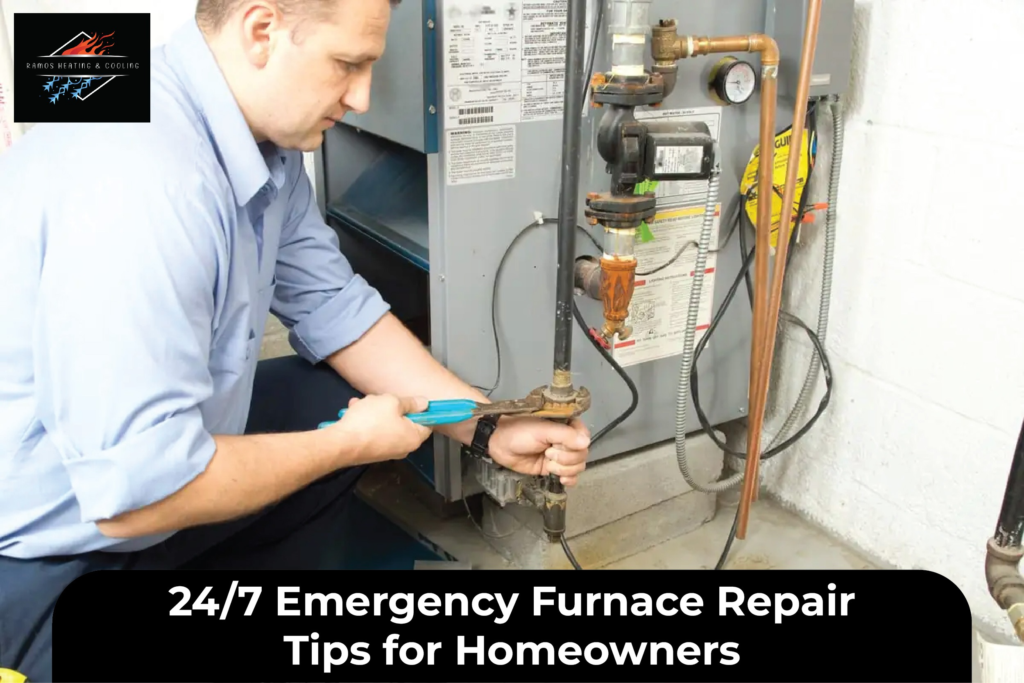
Recognizing the Signs of a Furnace Emergency
Not every issue is an emergency. However, certain warning signs demand immediate attention.
First, if your furnace won’t turn on at all, that’s a clear red flag. No sound. No airflow. No heat. Before assuming the worst, check your thermostat and breaker. But if everything appears normal and there’s still no response, you may be facing a serious internal issue.
Second, strange smells or loud noises should never be ignored. A burning odor could signal electrical trouble. A rotten-egg smell may indicate a gas furnace emergency. In that case, leave the house immediately and contact emergency services before calling HVAC professionals.
Additionally, if your home temperature drops quickly during freezing weather, it becomes an urgent matter. Frozen pipes can cause costly water damage. Acting fast protects both your comfort and your property.
Quick Safety Checks Before Calling for Help
Before you search for furnace repair near me, take a few minutes to perform safe and simple checks.
Start with your thermostat. Ensure it is set to “heat” and that the temperature is higher than the current room temperature. Sometimes, the issue is simply dead batteries or incorrect settings.
Next, check your circuit breaker panel. A tripped breaker can stop your system from working. Reset it once. If it trips again, stop there and call a professional. Repeated tripping indicates a more serious electrical issue.
Also, inspect your air filter. A clogged filter restricts airflow and may cause your system to shut down. Replacing it could solve the issue instantly. However, if these steps do not restore heat, it is time for emergency furnace repair.
What to Do During a Furnace Breakdown at Night
A midnight furnace breakdown can feel overwhelming. However, staying calm makes all the difference.
First, layer up and use safe supplemental heat, such as electric space heaters. Keep them away from curtains and furniture to prevent fire hazards. Never use ovens or grills to heat your home. That creates dangerous carbon monoxide risks.
Second, protect your plumbing. Let faucets drip slightly to prevent frozen pipes. Open cabinet doors under sinks to allow warm air to circulate pipes.
Finally, contact a trusted provider offering 24/7 furnace repair. Reliable companies like Ramos Heating & Cooling provide round-the-clock assistance. You can explore professional services.
When to Call for Urgent Furnace Service Immediately
Some issues should never wait until morning.
If you suspect a gas furnace emergency, leave your home immediately. Do not flip switches or use electronics. Gas leaks require immediate intervention by a professional and the utility company.
Additionally, frequent system cycling, sparks, visible damage, or complete heating system failure during extreme cold require urgent care. Delaying service may worsen damage and increase repair costs.
Remember, searching for furnace repair near me is helpful, but choose licensed and insured professionals who specialize in emergency service. Experienced technicians can quickly diagnose and fix the issue safely.
Preventing Emergency Furnace Repairs in the Future
While emergencies happen, many can be avoided with proper maintenance.
Schedule annual inspections before winter. A professional tune-up ensures components are clean, safe, and functioning correctly. Preventive care reduces the risk of unexpected furnace failures.
Also, consider professional installation if your system is old. Poor installation often leads to repeated breakdowns. Learn more about expert installation services.
If you are debating DIY versus professional help, read this helpful comparison.
Preventive maintenance always costs less than emergency repairs.
Understanding Common Causes of Furnace Failure
Knowing why furnaces fail helps you act faster.
Dirty filters remain the top cause of airflow restrictions. When airflow drops, the system overheats and shuts down. Replacing filters every one to three months keeps your furnace healthy.
Ignition system failures are another common issue. If your furnace won’t turn on, the pilot light or electronic ignition could be faulty. This issue requires professional emergency furnace repair to ensure safe handling.
Blower motor problems, faulty limit switches, and cracked heat exchangers can also cause serious breakdowns. While homeowners can check filters and thermostats, internal components should always be handled by trained experts.
Choosing the Right 24/7 Furnace Repair Company
Not all HVAC companies offer true emergency service. Therefore, choosing wisely matters.
Look for providers that clearly advertise 24/7 furnace repair. Check reviews and confirm they have certified technicians. Fast response times and transparent pricing are also important.
A trusted company will clearly explain the issue, offer repair options, and avoid unnecessary upselling. When you need urgent furnace service, clarity and professionalism matter just as much as speed.
Building a relationship with a reliable HVAC company before an emergency happens gives you peace of mind when it matters most.
How Emergency Repairs Protect Your Home Investment
Your furnace is one of the most important systems in your home. Ignoring a minor issue can turn into a major expense.
Prompt emergency furnace repair prevents small mechanical problems from damaging expensive components. Acting quickly during a heating system failure can extend your system’s life by years.
Moreover, emergency services protect your family’s safety. Gas leaks, electrical faults, and overheating systems pose real risks. Quick action ensures your home remains warm, safe, and comfortable during harsh winters.
Final Thoughts
A sudden furnace breakdown can feel stressful. However, preparation makes all the difference. By understanding warning signs, performing safe checks, and knowing when to call for 24/7 furnace repair, you stay in control.
Preventive maintenance reduces emergencies, but when your furnace is not working, it leaves you cold. Acting fast protects your home and family. Always choose licensed professionals for serious repairs, especially during a gas furnace emergency.
If you ever find yourself searching for furnace repair near me, remember that fast, professional service keeps small problems from becoming major headaches. Stay prepared, schedule annual maintenance, and never ignore warning signs.
Warm homes start with smart homeowners.
FAQs
1. What qualifies as an emergency furnace repair?
A complete loss of heat during freezing weather, gas leaks, burning smells, or electrical issues qualify as emergencies. These require immediate professional attention.
2. Why is my furnace not working suddenly?
Common causes include thermostat issues, clogged filters, tripped breakers, or ignition failure. If simple fixes do not work, call for a professional diagnosis.
3. How quickly should I call for urgent furnace service?
Call immediately if your system stops working in extreme cold or if you notice gas smells or loud mechanical noises.
4. Can I fix a furnace that won’t turn on?
You can check thermostat settings, filters, and breakers. However, internal repairs should only be handled by licensed HVAC professionals.
5. How can I avoid emergency furnace repair in winter?
Schedule annual maintenance, replace filters regularly, and address minor issues early to prevent major problems.