
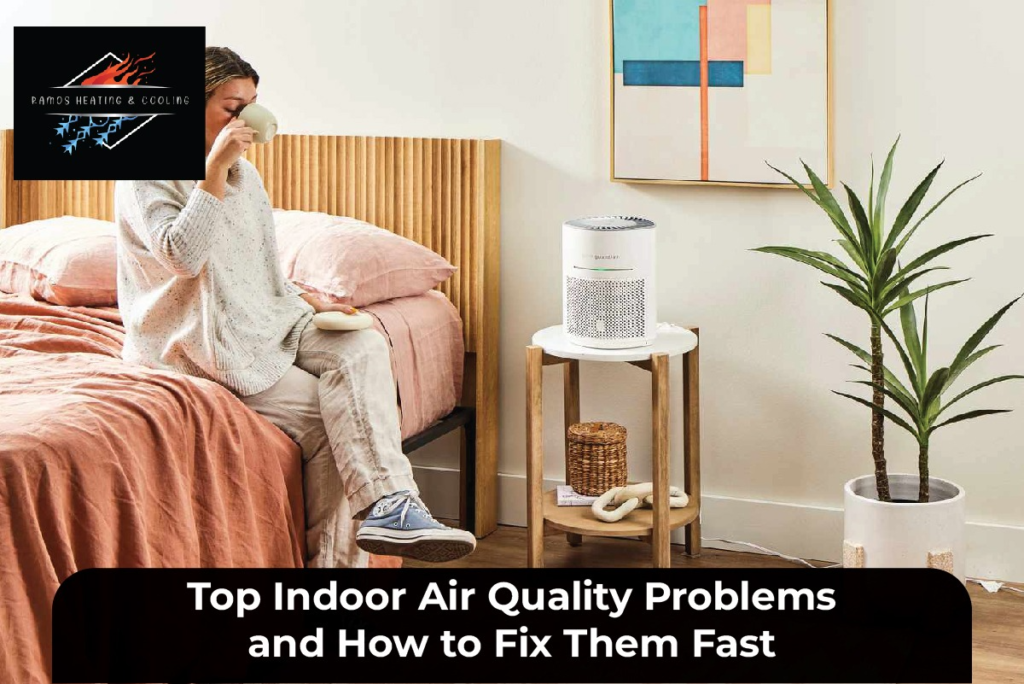
Your home should feel like a haven, a place where you breathe easily, sleep better, and relax without worrying about what’s floating around in the air. But here’s the truth most homeowners don’t realize: the air inside your house can sometimes be two to five times more polluted than outdoor air. Surprising, right? From dust, pet dander, mold spores, cleaning chemicals, and poor ventilation, indoor air quality problems quietly accumulate day after day.
Over time, that poor indoor air quality can trigger allergies, headaches, fatigue, and even severe respiratory issues. And the worst part? Many people mistake these signs for “seasonal allergies” or simple tiredness. The good news is that you don’t have to live with it. With a few smart changes and quick fixes, you can dramatically improve indoor air quality in homes and offices without stress or huge expenses.
Let’s break down the most common indoor air quality issues, what causes them, and how to fix them fast, so you and your family can breathe cleaner, healthier air starting today.
Dust and Allergens Sneaking Into Your Space
Dust may look harmless, but it’s one of the biggest indoor air contaminants around. It contains pollen, pet dander, dead skin cells, and even microscopic bugs called dust mites. When these particles circulate through your HVAC system, they spread across every room.
As a result, you might notice constant sneezing, itchy eyes, or congestion. These are classic indoor air quality symptoms that many people ignore. Over time, allergens can exacerbate asthma and lead to long-term health effects on indoor air quality.
Quick Fixes
- Change HVAC filters every 1–3 months
- Vacuum with a HEPA filter
- Dust with microfiber cloths
- Schedule professional duct cleaning
If you want a professional inspection, check out trusted solutions for fast indoor air improvements.
Hidden Mold and Excess Moisture Problems
Moisture is mold’s best friend. Bathrooms, basements, and kitchens often trap humidity, creating perfect conditions for mold growth. Unfortunately, mold spores are airborne and can pose serious indoor air quality hazards.
If your home smells musty or you see dark spots on the walls, you may already have a problem. Mold exposure often leads to coughing, sinus infections, and persistent allergies, evident signs of poor indoor air quality.
Quick Fixes
- Use dehumidifiers
- Fix leaks immediately
- Run bathroom/kitchen exhaust fans
- Keep indoor humidity between 30–50%
Proper humidity control makes a huge difference. You can also explore maintenance tips.
Poor Ventilation Trapping Stale Air
Even the cleanest home suffers if the air can’t circulate. Without proper airflow, indoor air pollution becomes trapped and builds up over time. Think cooking fumes, cleaning sprays, smoke, and carbon dioxide.
This issue is prevalent in modern energy-efficient homes and in offices, where windows remain closed all day. The result? Stale air, headaches, and constant fatigue.
Quick Fixes
- Open windows daily when the weather allows
- Install energy recovery ventilators (ERVs)
- Use ceiling fans to circulate air
- Schedule HVAC tune-ups
Fresh airflow doesn’t just feel better, it actively removes contaminants fast.
Dirty HVAC Systems Spreading Contaminants
Your HVAC system is the lungs of your home. If it’s dirty, everything gets worse. Dust, bacteria, and debris accumulate inside ductwork and then blow straight back into your living space.
This creates serious indoor air quality issues that many homeowners overlook. You may notice uneven airflow, odors, or rising energy bills.
Quick Fixes
- Replace air filters regularly
- Clean vents and returns
- Schedule annual HVAC maintenance
- Consider air purifiers with UV light
For expert indoor air services.
Professional cleaning often delivers immediate results you can actually feel.
Chemical Pollutants from Everyday Products
Believe it or not, your cleaning supplies and furniture might be polluting your home. Many paints, sprays, and air fresheners release VOCs (volatile organic compounds), which are harmful indoor air contaminants.
Long-term exposure can lead to dizziness, headaches, or even breathing problems. These indoor air quality health effects develop slowly, making them dangerous.
Quick Fixes
- Choose low-VOC or natural products
- Avoid aerosol sprays
- Store chemicals outside living areas
- Use air purifiers with carbon filters
Small swaps can dramatically cut chemical exposure.
Pet Dander and Hair Buildup
We love our pets, but they definitely contribute to indoor air pollution. Pet dander sticks to furniture, carpets, and vents, spreading allergens throughout the house.
If you notice sneezing or itchy skin around pets, your air may need help. These are common indoor air quality symptoms that affect both kids and adults.
Quick Fixes
- Bathe pets regularly
- Vacuum furniture weekly
- Use washable covers
- Install HEPA purifiers
You don’t have to give up your furry friends, just manage the air smarter.
Cooking Smoke and Kitchen Pollutants
Cooking emits grease particles, smoke, and gases such as nitrogen dioxide. Without proper ventilation, these contaminants linger for hours.
This problem is often worse in apartments and small homes. Over time, exposure to poor indoor air quality contributes to respiratory irritation.
Quick Fixes
- Use range hoods every time you cook
- Clean stove filters monthly
- Open windows during heavy cooking
- Avoid burning candles or incense often
Simple habits go a long way here.
Seasonal Humidity and Temperature Imbalances
Changing seasons can make indoor air quality in homes tricky. Winter air becomes dry and irritating, while summer air gets sticky and mold-prone. Both extremes affect comfort and health.
Dry air causes cracked skin and sore throats, while high humidity encourages bacterial growth. Balancing conditions improves both comfort and safety.
Quick Fixes
- Install whole-home humidifiers/dehumidifiers
- Monitor humidity levels
- Service HVAC before seasonal changes
- Insulate properly
Balanced air simply feels fresher and healthier.
Final Thoughts
Indoor air isn’t something you should gamble with. From dust and mold to chemicals and poor ventilation, indoor air quality problems affect nearly every household. However, the solution doesn’t have to be complicated.
Start small. Replace filters. Improve airflow. Clean regularly. Then, if issues persist, bring in professionals who understand how to eliminate deeper indoor air quality hazards.
Cleaner air means better sleep, fewer allergies, and a healthier life. And honestly? You deserve to breathe easy in your own home.
Frequently Asked Questions
How do I know if my home has poor indoor air quality?
Common signs include headaches, allergies, fatigue, musty smells, and constant dust buildup.
How often should I change my HVAC filter?
Every 1–3 months, depending on pets, allergies, and usage.
Do air purifiers really help?
Yes. HEPA purifiers effectively remove allergens, dust, and microairborne particles
What is the ideal indoor humidity level?
Between 30% and 50% for comfort and mold prevention.
Can indoor air quality affect sleep?
Absolutely. Clean air reduces irritation and helps you breathe better at night.