
The air inside your home should feel clean, light, and refreshing, not stale or stuffy. After all, you and your family spend most of your time indoors. Whether you’re cooking dinner, relaxing on the couch, or getting a good night’s sleep, the quality of the air around you directly affects your comfort and health. Surprisingly, many homes trap dust, allergens, pet dander, mold spores, and even chemical pollutants without homeowners’ awareness. Over time, these hidden contaminants can degrade your home’s indoor air qualityand cause headaches, allergies, fatigue, or respiratory issues.
The good news? You don’t need expensive gadgets or complicated solutions to fix it. With the proper habits, regular maintenance, and smart upgrades, you can dramatically improve indoor air quality at home and create a fresher, healthier living space. In this guide, I’ll walk you through simple, practical, and professional tips, written in a friendly yet informative tone so that you can take action right away. Let’s clear the air and make your home feel amazing again.
Understand What Affects Indoor Air First
Before you jump into solutions, it helps to know what you’re dealing with. Most people assume outdoor pollution is the primary concern, but studies show indoor air quality in homes can be worse than outdoor air. Why? Modern homes are tightly sealed for energy efficiency, which also traps contaminants inside.
Common indoor pollutants include dust mites, pollen, pet hair, cleaning chemicals, smoke, mold, and bacteria. Even furniture and carpets can release volatile organic compounds (VOCs). Over time, these particles accumulate, reducing indoor air quality without obvious warning signs. That’s why being proactive is so important.
Keep Your HVAC System Clean and Efficient
Your HVAC system is the heart of your home’s indoor air quality. Every time your heating or cooling system runs, air circulates through ducts, filters, and vents. If those components are dirty, you’re basically spreading dust and allergens around the house.
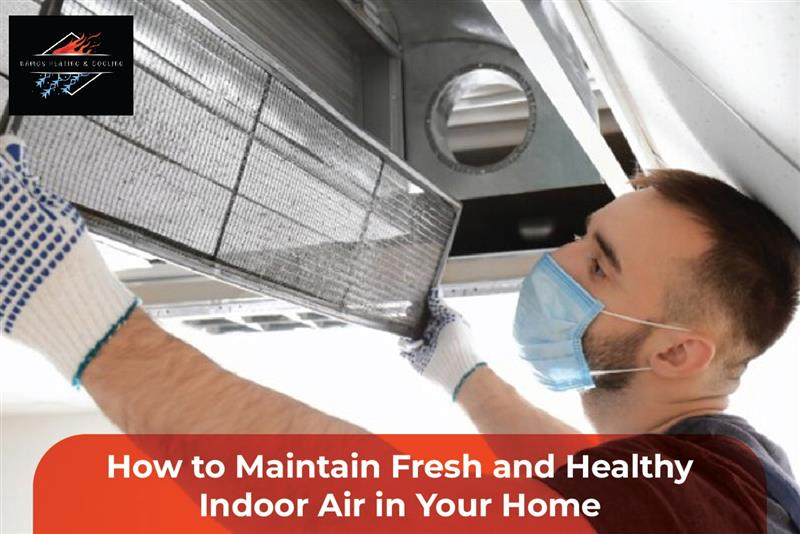
Start by changing air filters every 1–3 months. A fresh filter traps pollutants and immediately improves airflow. Next, schedule professional inspections at least annually. Expert technicians, like those at Ramos Heating & Cooling, can clean ducts, check airflow, and optimize performance. You can learn more.
Regular servicing doesn’t just improve air. It lowers energy bills and extends equipment life, too. So it’s a win-win.
Boost Ventilation for a Constant Flow of Fresh Air
Stale air is a significant threat to indoor air quality in the home. Without proper ventilation, moisture and pollutants linger longer than they should. Simply opening windows for 10–15 minutes daily can make a noticeable difference.
Additionally, use exhaust fans in bathrooms and kitchens. These areas generate humidity and odors that quickly degrade indoor air quality. An effective ventilation strategy replaces contaminated air with fresh outdoor air, keeping the balance.
If you live in areas with seasonal extremes, consider installing a whole-home ventilation or air exchange system. These systems maintain comfort while still refreshing the air inside.
Control Humidity to Stop Mold and Allergens
Excessive moisture creates an ideal environment for mold, bacteria, and dust mites. Too little moisture, on the other hand, dries out your throat and skin. That’s why balanced humidity is essential for healthy indoor air quality at home.
Aim for indoor humidity between 30% and 50%. Use a dehumidifier in damp basements and a humidifier in dry winter months. Please remember to clean these devices regularly. Dirty humidifiers can actually worsen air quality.
If you already use one, check out this helpful maintenance guide.
Clean equipment equals clean air. It’s that simple.
Clean Smarter, Not Harder
Regular cleaning plays a massive role in residential indoor air quality, but technique matters. Dry dusting often just moves particles around. Instead, use microfiber cloths and damp mops to trap debris effectively.
Vacuum carpets and upholstery weekly with a HEPA-filter vacuum. These filters capture tiny allergens that normal vacuums recirculate. Also, wash bedding frequently in hot water to eliminate dust mites.
While cleaning, avoid harsh chemical sprays. Many commercial products release fumes that reduce indoor air quality at home. Opt for natural or low-VOC cleaners whenever possible.
Add Air-Purifying Plants and Natural Solutions
If you want a simple, natural boost, indoor plants can help. Certain plants absorb toxins and release oxygen, improving indoor air quality while enhancing your space.
Great options include:
- Snake plants
- Peace lilies
- Spider plants
- Aloe vera
Plants won’t replace filtration systems, but they complement your efforts. Plus, they create a calm, inviting atmosphere. Think of them as small but mighty helpers for your home’s indoor air quality strategy.
Upgrade to Air Purifiers and IAQ Solutions
Sometimes basic habits aren’t enough, especially for allergy sufferers or homes with pets. That’s where air purifiers come in. High-quality HEPA purifiers remove smoke, pollen, bacteria, and fine particles that standard filters miss.
Whole-home purifiers installed directly into your HVAC system offer even better coverage. They clean every room automatically, improving indoor air quality in homes with no extra effort.
If you want professional guidance or installation.
Professional solutions make maintaining indoor air quality in the home easier and more effective in the long term.
Build Everyday Habits That Protect Your Air
Small daily habits add up fast. For example, removing shoes at the door prevents dirt and bacteria from entering the building. Keeping pets groomed reduces dander. Properly storing trash prevents odors and mold growth.
Cooking can also affect indoor air quality in the home environment, so always use range hoods or open windows while preparing meals. Likewise, avoid smoking indoors altogether.
These quick adjustments may seem minor, but together they create healthy indoor air quality at home year-round.
Schedule Regular Professional Air Quality Checks
Even if your home looks clean, hidden pollutants can still exist. That’s why professional testing is valuable. Experts measure dust levels, humidity, airflow, and contamination sources you might miss.
Routine inspections ensure your system continues delivering strong residential indoor air quality. Additionally, technicians can recommend upgrades before minor issues become costly problems.
If you want peace of mind, scheduling an annual checkup is one of the smartest steps you can take.
Final Thoughts
Fresh air isn’t a luxury; it’s essential. By combining smart cleaning, proper ventilation, humidity control, and professional support, you can dramatically improve indoor air quality at home without stress. Start small, stay consistent, and upgrade where needed.
Remember, every breath matters. A healthier home means better sleep, fewer allergies, more energy, and a happier family. So don’t wait. Take action today and create the clean, comfortable environment you deserve.
FAQs
How often should I change my HVAC air filter?
Every 1–3 months. Homes with pets or allergies may need monthly changes.
What is the ideal humidity level indoors?
Keep humidity between 30% and 50% for the best comfort and air quality.
Do air purifiers really work?
Yes. HEPA purifiers effectively remove dust, pollen, and smoke particles.
Can houseplants replace air filters?
No. Plants provide some benefit, but cannot replace mechanical filtration systems.
When should I schedule professional air quality services?
At least once a year or whenever you notice odors, allergies, or poor airflow.