
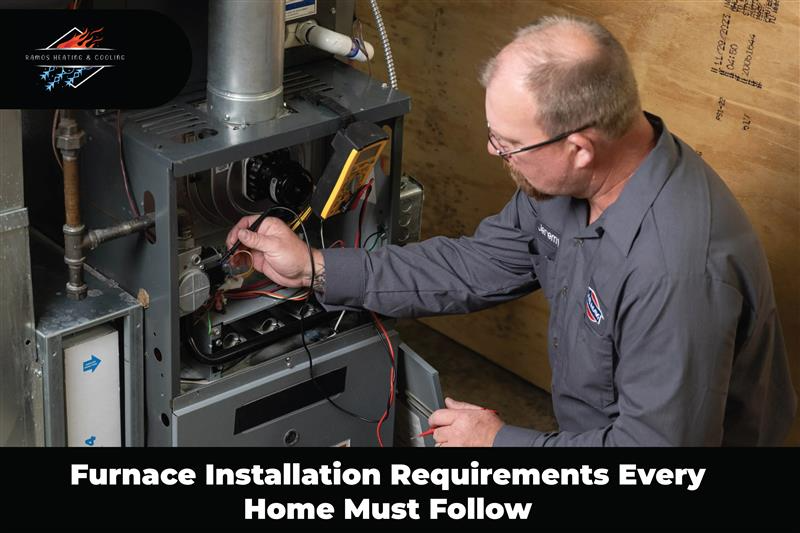
Installing a new furnace is a big decision for any homeowner. It affects your comfort, energy bills, indoor air quality, and long-term safety. While many people focus on choosing the right model, understanding the requirements for furnace installation is just as important. Skipping key rules or overlooking local codes can lead to costly repairs, failed inspections, or even safety hazards.
A proper furnace installation is not just about placing equipment in your home. It involves permits, sizing calculations, venting rules, ductwork standards, and strict HVAC installation codes that protect your family and property. Whether you are replacing an old system or planning a first-time gas furnace install, knowing what your home must follow helps you avoid mistakes and ensures reliable performance for years to come.
In this guide, we’ll walk through every requirement homeowners should know, clearly, simply, and without technical overload. By the end, you’ll feel confident discussing your project with a contractor and making smart, informed decisions.
Why Furnace Installation Requirements Matter More Than You Think
Many homeowners assume that once a furnace is installed, the job is done. However, installation requirements exist for a reason. They ensure safety, efficiency, and compliance with local and national standards. Ignoring these rules can void warranties and cause serious operational issues down the road.
Proper furnace requirements also help your system perform as designed. When everything, from sizing to venting, is done correctly, your furnace heats evenly, runs quietly, and consumes less energy. This translates into lower utility bills and fewer breakdowns. If you want peace of mind, following these rules from day one is essential.
Furnace Permits and Local HVAC Installation Codes You Must Follow
Before any installation begins, local authorities often require furnace permits. These permits ensure the installation meets safety standards and local HVAC installation codes. Skipping this step may save time upfront, but it usually leads to fines or mandatory rework later.
Permits also protect homeowners. After installation, inspections confirm that gas lines, electrical connections, and venting systems are installed safely. Professional contractors handle this process for you, which is why working with licensed experts like Ramos Heating and Cooling makes the process smoother and stress-free.
Choosing the Right Furnace Sizing for Your Home
One of the most overlooked furnace requirements is proper furnace sizing. A furnace that’s too small will struggle to heat your home, while an oversized unit will cycle on and off too frequently. Both scenarios waste energy and shorten system life.
Sizing depends on factors such as square footage, insulation quality, ceiling height, window efficiency, and climate. A professional load calculation ensures the furnace matches your home’s exact needs. This step improves comfort, boosts efficiency, and prevents unnecessary wear on the system.
Gas Furnace Install Safety Standards Every Homeowner Should Know
A gas furnace installation requires strict safety measures. Gas lines must be sized appropriately and securely connected to prevent leaks. Shutoff valves should be easily accessible, and all connections must be tested before the system is turned on.
Carbon monoxide safety is also critical. Proper installation includes sealed combustion chambers and working CO detectors. These measures protect your household from invisible dangers while ensuring your furnace operates safely throughout the winter.
Furnace Venting Rules That Protect Your Home and Health
Correct furnace venting is non-negotiable. Venting systems safely remove exhaust gases from your home, preventing carbon monoxide buildup. Depending on your furnace type, venting may involve metal flues or PVC piping.
Improper venting can cause backdrafting, poor efficiency, and serious health risks. Installers must follow clearance rules and slope requirements to ensure exhaust gases flow outward. This is one area where professional expertise truly matters.
Ductwork Requirements for Efficient Furnace Performance
Your furnace is only as good as the duct system supporting it. Ductwork requirements include proper sealing, insulation, and sizing to distribute warm air evenly. Leaky or undersized ducts waste energy and reduce comfort.
Upgrading ductwork during furnace installation can significantly improve efficiency. Clean, sealed ducts help maintain consistent temperatures and reduce strain on the furnace. It’s an investment that pays off in comfort and savings.
Electrical and Thermostat Requirements for Modern Furnaces
Modern furnaces rely on precise electrical connections and advanced controls. Wiring must meet local codes, and dedicated circuits are often required. Improper electrical work can lead to malfunctions or safety hazards.
Thermostat compatibility is another important factor. Smart thermostats can boost efficiency, but only when properly installed and configured. Ensuring these components work together seamlessly improves comfort and control.
Professional Installation vs DIY: What’s Required by Law
Many homeowners wonder if they can install a furnace themselves. In most areas, local codes require licensed professionals for gas and electrical work. DIY installation often violates HVAC installation codes and voids warranties.
Hiring professionals ensures compliance with all furnace requirements. Experienced contractors also spot potential issues early, saving you time and money. For trusted service, homeowners often turn to experts like Ramos Heating and Cooling for furnace installation in Milwaukee.
Preparing Your Home for a Smooth Furnace Installation
Preparation makes installation day easier and faster. Ensure clear access to the furnace area, secure pets, and discuss any concerns with your installer beforehand. This helps avoid delays and misunderstandings.
A good installer will also review your home’s layout, ductwork, and venting before starting. This planning step ensures everything meets furnace requirements and delivers long-term performance.
Final Thoughts: Install It Right for Comfort, Safety, and Savings
Following proper furnace installation requirements is not just about meeting rules—it’s about protecting your home and family. From permits and sizing to venting and ductwork, every step plays a role in system performance.
When done right, your furnace delivers reliable warmth, lower energy bills, and fewer headaches. If you’re planning an upgrade, explore modern options highlighted in this guide to the best quick-install furnaces for 2026. Partnering with experienced professionals ensures your investment pays off for years to come.
Frequently Asked Questions About Furnace Installation Requirements
Do I always need a permit for furnace installation?
In most areas, yes. Furnace permits ensure the installation meets safety and code requirements. Always check local regulations.
How do I know if my furnace is sized correctly?
A professional load calculation determines the correct furnace sizing based on your home’s structure and insulation.
Can I reuse old ductwork with a new furnace?
Sometimes, yes. However, ductwork requirements may call for repairs or upgrades to ensure efficiency and airflow.
What happens if furnace venting is done incorrectly?
Improper venting can cause carbon monoxide buildup, poor efficiency, and safety risks. Professional installation is critical.
Is DIY furnace installation legal?
In most cases, no. Gas furnace installation work usually requires licensed professionals and inspections.