
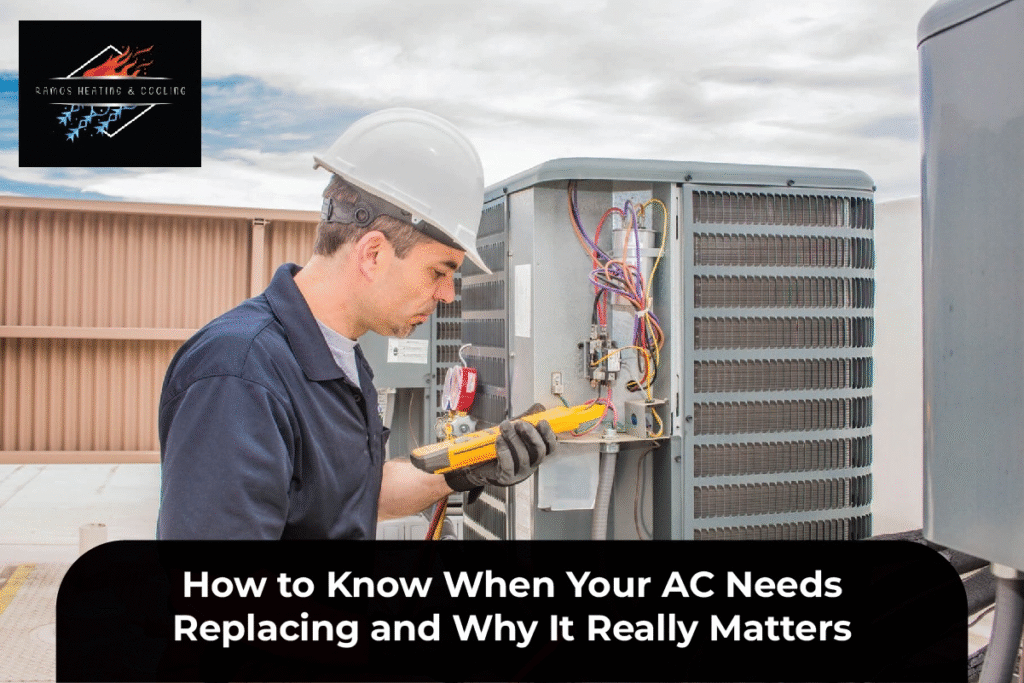
When your air conditioner starts acting up, it’s easy to brush it off. Maybe it’s just a slight noise. Perhaps it’s “not that hot outside.” Or maybe you’re hoping you can squeeze one more summer out of it. But the truth is, knowing when your AC needs replacing, and understanding why it matters, can make a massive difference in your comfort, wallet, and long-term home efficiency. A failing unit doesn’t just cause inconvenience. It also leads to higher bills, frequent repairs, poor indoor air quality, and even safety concerns.
So, whether you’ve been noticing strange sounds, weak airflow, or just an AC that can’t keep up anymore, this guide breaks everything down in a clear, friendly way. You’ll learn the top signs of AC failure, the reasons replacement is often smarter than repair, and how professional AC replacement installers can help you protect your home. Let’s jump in and make sure you stay cool, comfortable, and confident all year long.
Your AC’s Age: The Biggest Clue You Shouldn’t Ignore
If your AC is over 10–15 years old, you’re likely living on borrowed time. Older units naturally lose efficiency, take longer to cool your home, and break down more often. Even well-maintained systems reach a point where repairs no longer make sense.
Aging systems also run with outdated technology. Newer models feature advanced energy-saving features, better refrigerants, and more intelligent controls, delivering greater comfort with lower energy use. Because of this, many homeowners compare the rising cost of AC replacement with the monthly savings they’re losing from inefficient cooling.
Residential AC replacement isn’t just a fix; it’s an upgrade. When you work with licensed AC installers or HVAC replacement installers, they can assess whether your old system is costing you more than you think. This helps you avoid surprise breakdowns in the middle of a heatwave, which often leads homeowners into emergency AC replacement situations.
Your Energy Bills Keep Rising for No Clear Reason
If your electric bill seems to grow every summer, even though your usage hasn’t changed, your AC may be the culprit. Older and failing AC units must work harder to produce the same amount of cooling they used to deliver with ease.
This inefficiency occurs because internal components begin to wear down. Motors weaken, refrigerant levels fluctuate, and compressors lose strength. Instead of running smoothly, your AC runs longer, cycles more frequently, and consumes more electricity.
This is where professional AC replacement becomes a wise investment rather than an expense. With modern units, homeowners often see a significant drop in monthly energy bills. Plus, AC unit replacement services can help you choose the right-sized system so you’re not wasting energy on a system that’s too big or too small. You can explore more AC improvement guides.
Frequent Repairs Signal Your AC Is on Its Last Chance
If you’re calling a technician twice a season, or more, you may be dealing with a system that’s simply too worn out to keep fixing. Constant repairs often point to outdated components, worn motors, faulty capacitors, and failing compressors.
At some point, continuing to repair a dying AC is like repeatedly patching a tire with a nail still stuck in it. It makes more sense financially to replace the central AC rather than to pour money into an old system. AC replacement installers often recommend calculating repair costs over the last two years. If those numbers equal half the price of a new AC, replacement is the wiser move.
You can also read more tips on quick AC fixes.
Your AC Isn’t Keeping Up with the Heat Anymore
An AC that once cooled your home perfectly but now struggles, especially on hotter days, is likely losing its efficiency. It runs constantly yet never reaches the desired temperature. Or certain rooms stay warm no matter how long it runs.
This weak performance could indicate refrigerant leaks, failing compressors, or an aging unit that can no longer meet your comfort needs. Residential AC replacement can restore the balanced cooling you once enjoyed. Licensed AC installers can evaluate whether the airflow problem is a ductwork issue or a failing system needing replacement.
When you choose an AC unit replacement service, you’re not just upgrading to a cooler home. You’re upgrading to comfort that’s consistent, efficient, and reliable.
Strange Noises and Odd Smells Are Warning Signs
A healthy AC system runs gently and quietly. If you start hearing grinding, screeching, rattling, or buzzing noises, something is definitely off. These sounds may point to loose parts, motor issues, or even electrical problems.
The same goes for unusual smells. A musty odor could indicate mold inside your unit. Burning smells often warn of wiring issues. These concerns aren’t just inconvenient; they can be dangerous if ignored.
Professional AC replacement becomes crucial when noises or odors persist even after repairs. HVAC replacement installers know how to diagnose whether your system is still safe to operate or if it’s time to retire it for a new, safer model.
Poor Air Quality or Humidity Problems Keep Getting Worse
Your AC doesn’t just cool your home, it also helps regulate humidity and improve indoor air quality. When it stops doing these two things well, you may notice sticky air, excessive dust, or even allergy flare-ups.
Older AC units lose the precision needed for balanced humidity control. Instead of keeping your indoor air comfortable, they may leave your home feeling damp and uncomfortable.
This is a significant reason homeowners choose to replace their central AC. Today’s systems feature better filtration, humidity control, and smart thermostats, making your home feel fresher and cleaner overall. Professional AC replacement can dramatically improve your indoor comfort, not just temperature-wise, but in overall air quality.
Why Replacing Your AC Really Matters for Your Home
Replacing your AC at the right time protects your home, wallet, and peace of mind. A failing AC can:
- Increase your monthly energy bills
- Reduce indoor air quality
- Causes major breakdowns when you least expect it
- Lead to expensive emergency AC replacement needs
- Lower your home’s overall value
Upgrading with licensed AC installers ensures your new system is correctly sized, properly installed, and built to last. Professional AC replacement also guarantees safety, compliance, and maximum system performance, something DIY attempts can never match.
When you choose trustworthy AC replacement installers or HVAC replacement installers, you secure long-term comfort and avoid costly surprises. To learn more about professional AC installation options, you can explore.
Final Thoughts: Know the Signs, Protect Your Comfort
Your AC plays a bigger role in your home’s comfort than you may realize. When it starts showing signs of age or performance decline, don’t wait until a complete system failure forces you into emergency AC replacement mode. Pay attention to rising bills, strange noises, weak cooling, bad smells, and humidity issues; your AC is trying to tell you something.
Replacing your AC at the right time ensures smoother operation, better indoor comfort, lower long-term costs, and safer cooling. Whether you’re considering residential AC replacement or want expert advice from licensed AC installers, taking action early always pays off.
FAQs
1. How long does a typical AC unit last?
Most AC units last 10–15 years, depending on usage and maintenance. If your system is in this age range and experiencing performance issues, consider replacing the central AC.
2. Is it better to repair or replace an old AC?
If repairs are frequent or cost more than half of a new system, replacement is usually the smarter option.
3. How much does AC replacement cost?
The AC replacement cost varies based on unit size, installation difficulty, and brand. Licensed AC installers can provide an accurate estimate after inspection.
4. Do I need a professional for AC replacement?
Absolutely. Professional AC replacement ensures proper installation, maximum efficiency, and warranty protection.
5. How do I know what size AC I need?
HVAC replacement installers will measure your home, consider insulation, climate, and layout, and recommend the correctly sized unit.