
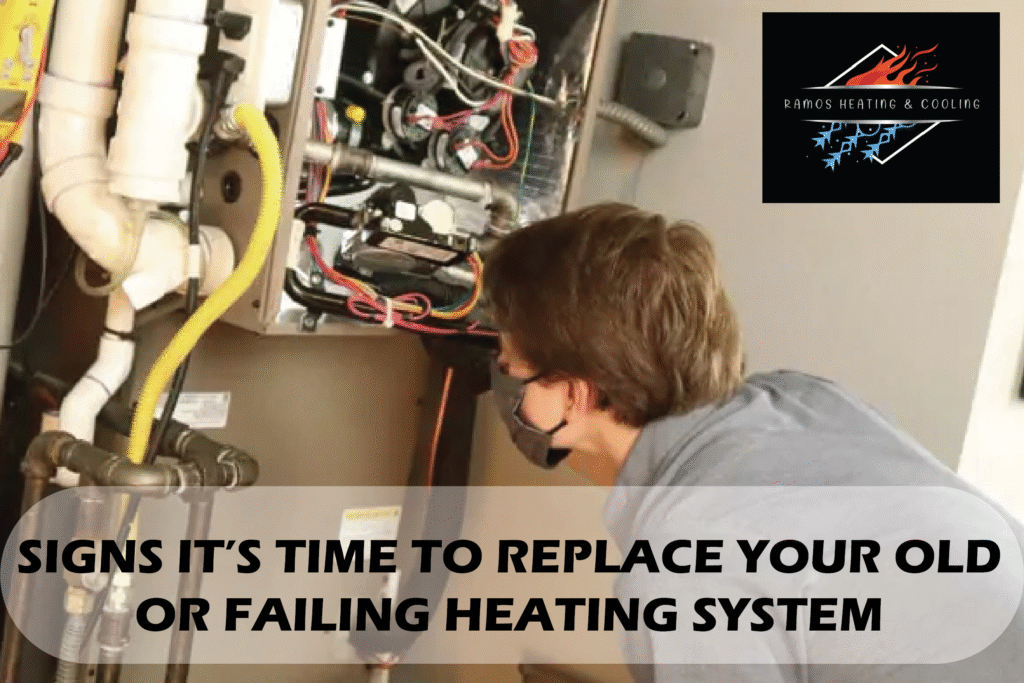
When the temperature drops, your heating system becomes your home’s best friend. But what happens when that friend starts letting you down, leaving your rooms chilly and your energy bills sky-high? Every homeowner eventually faces this question: Is it time to replace my old heating system? Recognizing the warning signs early can save you from unexpected breakdowns, costly repairs, and those miserable cold nights waiting for emergency service.
Whether you rely on a furnace, boiler, or heat pump, understanding when it’s time for Heating System Replacement can help you make a wise investment for long-term comfort and efficiency. Let’s dive into the most common signs that your heating system is nearing the end of its life and what steps you can take before winter arrives.
1. Your Energy Bills Keep Climbing
If your energy bills are noticeably higher than they were last year, that’s one of the first red flags. Heating systems naturally lose efficiency as they age, especially after a decade or more of use.
Your old furnace replacement might be overdue if it has to work harder to maintain the same indoor temperature. Worn-out components, clogged filters, or outdated technology can all lead to energy waste. Instead of spending hundreds more each season, upgrading to an energy-efficient HVAC system can lower costs and provide consistent warmth.
2. Frequent Repairs Are Draining Your Wallet
Are you calling your HVAC technician more often than you used to? Occasional maintenance is routine, but constant repairs are not. If your system requires service two or three times a year, those repair bills quickly add up.
When repair costs approach half the price of a residential heating replacement, it’s time to consider a complete heating system installation. Modern heating units not only run more efficiently but also come with warranties that protect your investment for years to come. Learn more about professional installation options here.
3. Uneven Heating Throughout Your Home
Are some rooms warm and others freezing? Uneven heating often signals that your system can no longer distribute air properly. This issue could result from a failing blower motor, ductwork problems, or the system simply being too old to handle your home’s needs.
If you’ve already tried balancing vents or cleaning ducts and the problem persists, it may be time for a central heating replacement. New systems are designed with improved airflow technology, ensuring every room gets the warmth it deserves.
4. Strange Noises or Odors Coming from the System
Heating systems shouldn’t sound like they’re haunted. If you hear banging, rattling, or squealing, something’s wrong. These sounds can indicate loose components, failing bearings, or even cracks in the heat exchanger, a serious safety concern.
Likewise, musty or burning smells coming from your vents could point to mold buildup or electrical issues. In these cases, replacing an emergency heating system may be your safest option to protect your home and family.
5. The System Is Over 15 Years Old
Even the best-maintained heating systems have a lifespan. Most furnaces and boilers last between 15 and 20 years. After that, performance drops sharply, and parts become harder to find.
Instead of sinking more money into repairs, consider replacing your boiler or heat pump. Today’s systems are built to deliver better heat output with much lower energy consumption. You can read more energy-saving heating installation tips here.
6. Poor Indoor Air Quality and Dust Buildup
If you’re noticing more dust, dry air, or allergy symptoms at home, your old heating system might be to blame. Older units tend to circulate dust and other allergens, especially if they haven’t been cleaned properly or if the filtration system is outdated.
A new replacement heating unit can make a world of difference. Modern systems are equipped with advanced air filtration features that improve indoor air quality, reduce allergens, and maintain consistent humidity levels, keeping your home cleaner and healthier.
7. Delayed or Weak Heat Output
Does your system take forever to heat up, or never quite reach your desired temperature? That’s a clear indicator it’s losing efficiency. Worn-out components, a failing heat exchanger, or low system pressure can cause sluggish performance.
Instead of enduring cold mornings and uneven comfort, upgrading to a heating system replacement ensures reliable warmth with faster heating response times. It’s not just about comfort; it’s about peace of mind during harsh winters.
8. You’re Planning a Major Home Upgrade
If you’re remodeling your home or expanding your living space, your current system might not be powerful enough to keep up. An older furnace or boiler could struggle to heat a larger area efficiently.
When making significant home improvements, it’s smart to factor in a residential heating replacement. This ensures your new setup is energy-efficient and appropriately sized for your home. Plus, new heating systems can significantly boost your property’s value, especially if you’re thinking about selling in the future.
Final Thoughts
Knowing when to replace your old or failing heating system isn’t just about avoiding discomfort; it’s about saving money, improving efficiency, and enhancing your home’s safety. From rising bills to uneven heating and strange noises, these warning signs shouldn’t be ignored.
When the time comes to replace your heating system, trust professionals who understand the right system for your home’s unique needs. Ramos Heating and Cooling offers expert solutions for furnace, boiler, and central heating replacements to keep your home warm year-round. Visit Ramos Heating & Cooling for trusted services and reliable installation options that guarantee your comfort for years to come.
FAQs
Q1: How long does a heating system typically last?
Most heating systems last around 15–20 years, depending on usage and maintenance. Beyond that, efficiency declines sharply.
Q2: What’s the best time of year to replace my heating system?
Early fall is ideal, before the cold sets in and HVAC companies get booked up.
Q3: Can I replace my furnace with a heat pump?
Yes, many homeowners switch to heat pump replacement options for better energy efficiency and year-round comfort.
Q4: How much does a typical furnace replacement cost?
Costs vary depending on system size and model, but expect to pay between $3,000–$7,000 on average for a professional installation.
Q5: What are the benefits of upgrading to a modern heating system?
New systems offer higher efficiency, quieter operation, better air quality, and lower utility bills.