
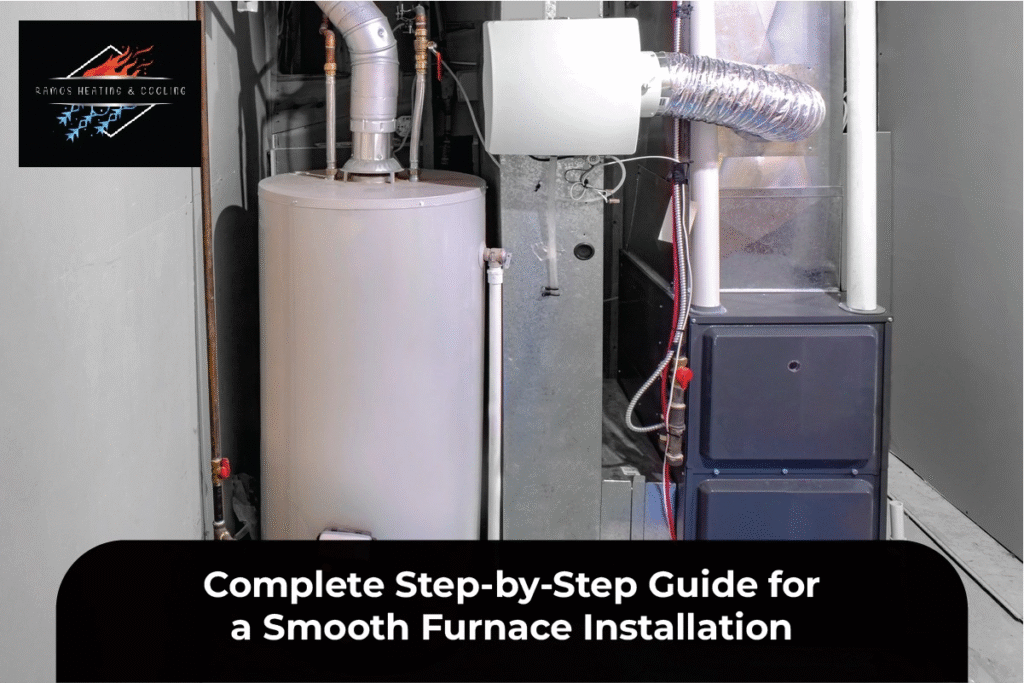
Upgrading or installing a new furnace can feel overwhelming, especially if you’re doing it for the first time. From choosing the right system to ensuring safety compliance, the furnace installation process involves several critical steps. But don’t worry—whether you’re a hands-on homeowner or just curious about the process, this guide will walk you through everything. You’ll learn the essentials of a professional furnace installation, understand the estimated furnace installation cost, and discover tips to keep the process efficient and safe. By the end, you’ll feel confident in tackling your new furnace installation or knowing what to expect when hiring experts.
Understanding Your Furnace Installation Needs
Before diving into the technical steps, it’s essential to assess your home’s heating requirements. The size, layout, and age of your house will determine which type of furnace works best. Choosing the wrong size can lead to uneven heating, higher energy bills, and increased wear on the system.
Many homeowners overlook this critical phase and end up paying more later. A HVAC furnace installation expert can help evaluate your space, calculate the heating load, and recommend an energy-efficient unit. This initial step sets the foundation for a smooth installation and ensures your home stays cozy all winter.
Gathering the Necessary Permits and Safety Measures
Before any installation begins, it’s crucial to address the legal and safety aspects. Most local authorities require a furnace installation permit to ensure the work meets building codes. Skipping this step can lead to fines, failed inspections, or insurance issues.
Safety is another non-negotiable part of the process. Make sure the installation area is clear, the gas line is properly shut off, and certified professionals handle electrical connections. An installation checklist can help you track all safety protocols, preventing accidents and ensuring compliance.
Preparing for a New Furnace Installation
Once permits and safety measures are sorted, preparation is key. Start by clearing the furnace area and removing any old equipment. Proper ventilation, ductwork, and electrical connections should be inspected for wear or damage.
It’s also helpful to gather all necessary tools and materials in advance. By having everything on hand, you can reduce the overall furnace installation time and avoid unnecessary delays. Professional installers often emphasize this step, as it makes the entire process smoother and more efficient.
Step-by-Step Furnace Installation Process
Now let’s break down the furnace installation steps, so you know exactly what to expect:
- Positioning the Furnace: The unit must be placed on a level surface, with adequate clearance around it for airflow and maintenance.
- Connecting the Ductwork: Properly sealing and connecting the ducts ensures efficient heat distribution throughout your home.
- Gas and Electrical Hookup: Certified technicians handle gas line connections and electrical wiring safely.
- Installing the Venting System: Correct venting prevents harmful carbon monoxide buildup and ensures your furnace runs efficiently.
- Testing the System: After installation, the furnace is tested for proper operation, efficiency, and safety compliance.
Following these steps carefully ensures a reliable, long-lasting heating system. If anything seems overwhelming, hiring professionals ensures that your furnace meets all safety and performance standards.
Managing Furnace Installation Costs
One of the most common concerns homeowners have is the cost of furnace installation. Prices vary depending on the unit’s size, type, labor fees, and additional components like thermostats or upgraded ductwork.
On average, a standard installation costs $3,000 to $7,000, while high-efficiency units may cost more. Investing in a professional installation can save you money in the long run, as improper setups often lead to higher maintenance bills or early replacement. For detailed pricing and packages, check out Ramos Heating & Cooling.
Ensuring Professional Furnace Installation
While some homeowners attempt DIY installations, a professional furnace installation is highly recommended. Licensed HVAC technicians bring experience, the right tools, and safety knowledge that are crucial for a successful setup.
Professional installation also ensures compliance with warranty requirements. Most manufacturers won’t honor the warranty if a certified installer doesn’t install the unit. For expert service and peace of mind, Ramos Heating & Cooling is a trusted choice for reliable installations.
Post-Installation Tips and Maintenance
Once your furnace is installed, proper maintenance keeps it running efficiently for years. Start by reading the manufacturer’s instructions, scheduling annual inspections, and replacing filters regularly.
Keep a record of your furnace installation checklist and any maintenance activities. This documentation can be helpful for future repairs or upgrades. Additionally, knowing your furnace’s energy efficiency rating and operating patterns will help you detect potential issues early, saving you money and avoiding discomfort during the winter months.
Final Thoughts on Smooth Furnace Installation
A successful furnace installation requires careful planning, compliance with safety standards, and professional expertise. From obtaining the proper permits to completing each step in the furnace installation process, every detail matters. By following this guide, you’ll not only enjoy a warm and comfortable home but also a system that operates efficiently and safely for years to come.
For additional tips and services, explore furnace repair guidance to complement your new system.
FAQs About Furnace Installation
Q1: How long does a typical furnace installation take?
Most installations are completed within 4–6 hours, depending on the unit’s complexity and any required ductwork modifications.
Q2: Do I need a permit for furnace installation?
Yes, local authorities usually require a furnace installation permit to ensure the work complies with building codes and safety regulations.
Q3: Can I install a furnace myself?
While DIY is possible, a professional furnace installation is strongly recommended for safety, efficiency, and warranty compliance.
Q4: What factors affect furnace installation cost?
Costs vary based on furnace type, size, labor, ductwork, and additional components such as thermostats or venting systems.
Q5: How often should I maintain my furnace after installation?
Schedule annual inspections and replace filters regularly to ensure optimal performance and longevity.